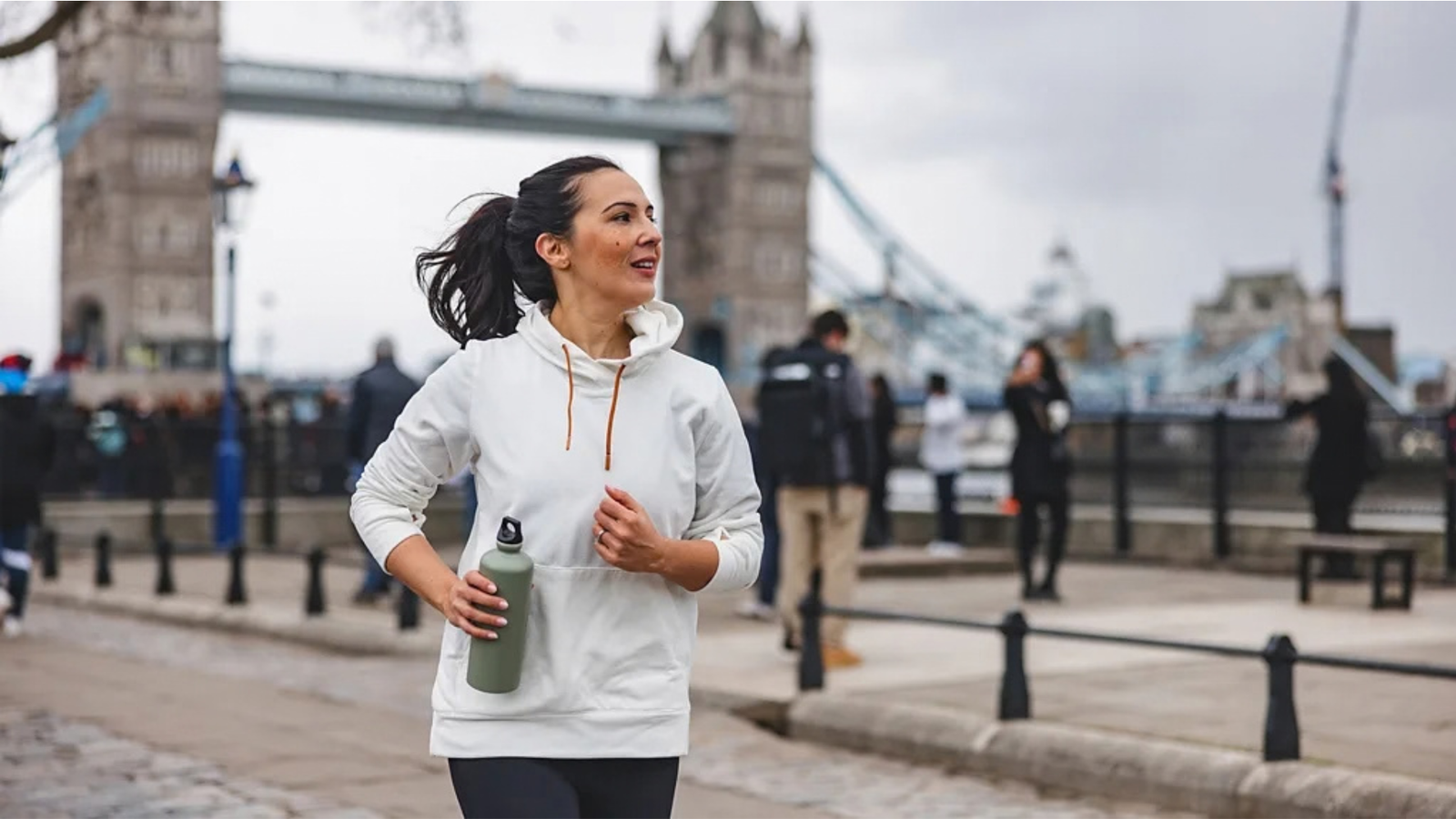
Running, cycling and other outdoor exercises can increase the amount of polluted air a person inhales because physical activity makes breathing faster and deeper. However, research suggests that the health benefits of regular exercise generally continue to outweigh the risks of air pollution, particularly when exposure is reduced where possible.
One major concern is PM2.5, extremely small particles that can penetrate deep into the lungs and enter the bloodstream. Traffic-related pollutants such as nitrogen dioxide can also contribute to respiratory and cardiovascular health risks.
A 2025 review involving more than 29 million people found associations between exposure to several air pollutants, including PM2.5 and nitrogen dioxide, and a higher risk of Parkinson’s disease. However, such findings show an association and do not establish that air pollution directly causes Parkinson’s disease.
How Can You Reduce Pollution Exposure?
Choose cleaner routes: When running or cycling, avoid busy roads and traffic-heavy intersections when possible. Parks and quieter streets may offer lower exposure.
Check air-quality levels: Consider moving intense outdoor workouts indoors when pollution levels are particularly high.
Adjust exercise intensity: Since vigorous exercise increases breathing rate, lowering intensity during periods of poor air quality can reduce the amount of polluted air inhaled.
Choose the right time: Pollution levels can vary throughout the day. Checking local air-quality information before exercising can help with planning.
People with asthma, cardiovascular disease, COPD or other existing health conditions may need to take additional precautions. For them, decisions about outdoor exercise during poor air quality should take their individual health circumstances into account.
The key message is not to abandon exercise because of air pollution. Instead, combine regular physical activity with strategies that reduce unnecessary exposure, especially during periods of very poor air quality.
Health
Exercising in Air Pollution: How to Reduce Your Exposure
Exercise remains beneficial in polluted cities, but timing, location and intensity can help reduce exposure to harmful air pollution.