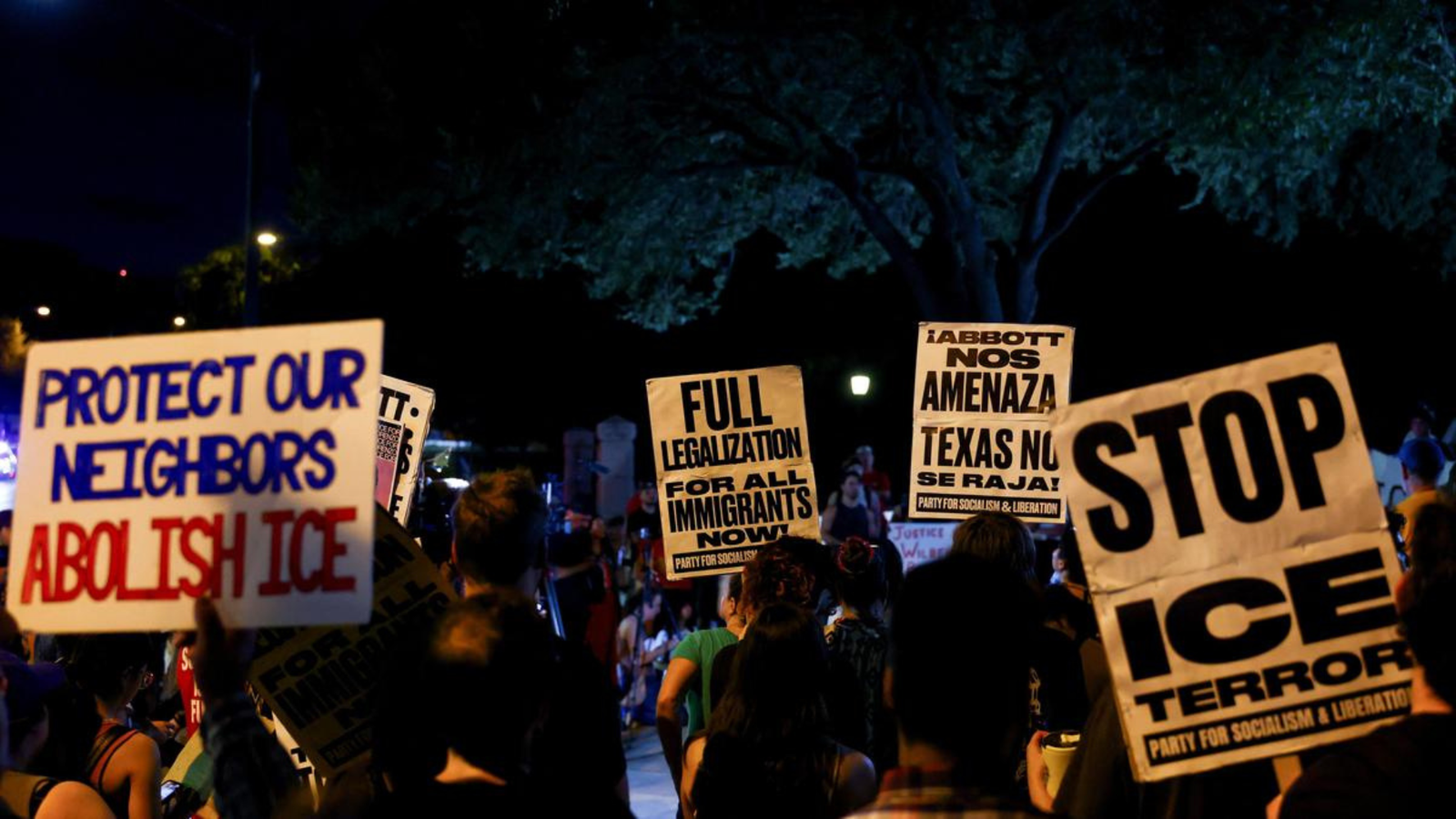
Big Tech companies in the United States are facing growing scrutiny over their links with U.S. Immigration and Customs Enforcement (ICE), as the agency increases its presence and concerns about immigration enforcement intensify.
Technology companies have long pursued contracts with the U.S. government, including agencies involved in law enforcement and national security. However, connections with ICE are increasingly becoming a source of concern among employees, customers and activists.
On September 15, a group of protesters gathered near San Francisco’s Moscone Center, where Salesforce was hosting its annual technology event. The protesters called on the company to end all contracts with ICE. The demonstration took place as thousands of attendees arrived at the venue for Salesforce CEO Marc Benioff’s keynote address.
The protests reflect wider questions over how technology and data provided by private companies may be used by government agencies involved in immigration enforcement. Some employees and customers have also raised concerns about companies maintaining relationships with ICE, while calls for boycotts have added pressure on technology firms.
ICE was established as a federal law enforcement agency following the September 11, 2001 terrorist attacks. Its stated mission includes addressing cross-border crime and enforcing U.S. immigration laws.
As ICE expands its activities, the role of technology companies in supporting government operations has become a subject of increasing public debate. The issue has placed Big Tech firms under pressure to explain the nature of their government contracts and address concerns raised by workers, customers and advocacy groups.
Technology
How Big Tech Companies Are Linked to ICE Operations
Big Tech companies face growing pressure over links to U.S. immigration agency ICE as employees, customers and protesters demand greater accountability.