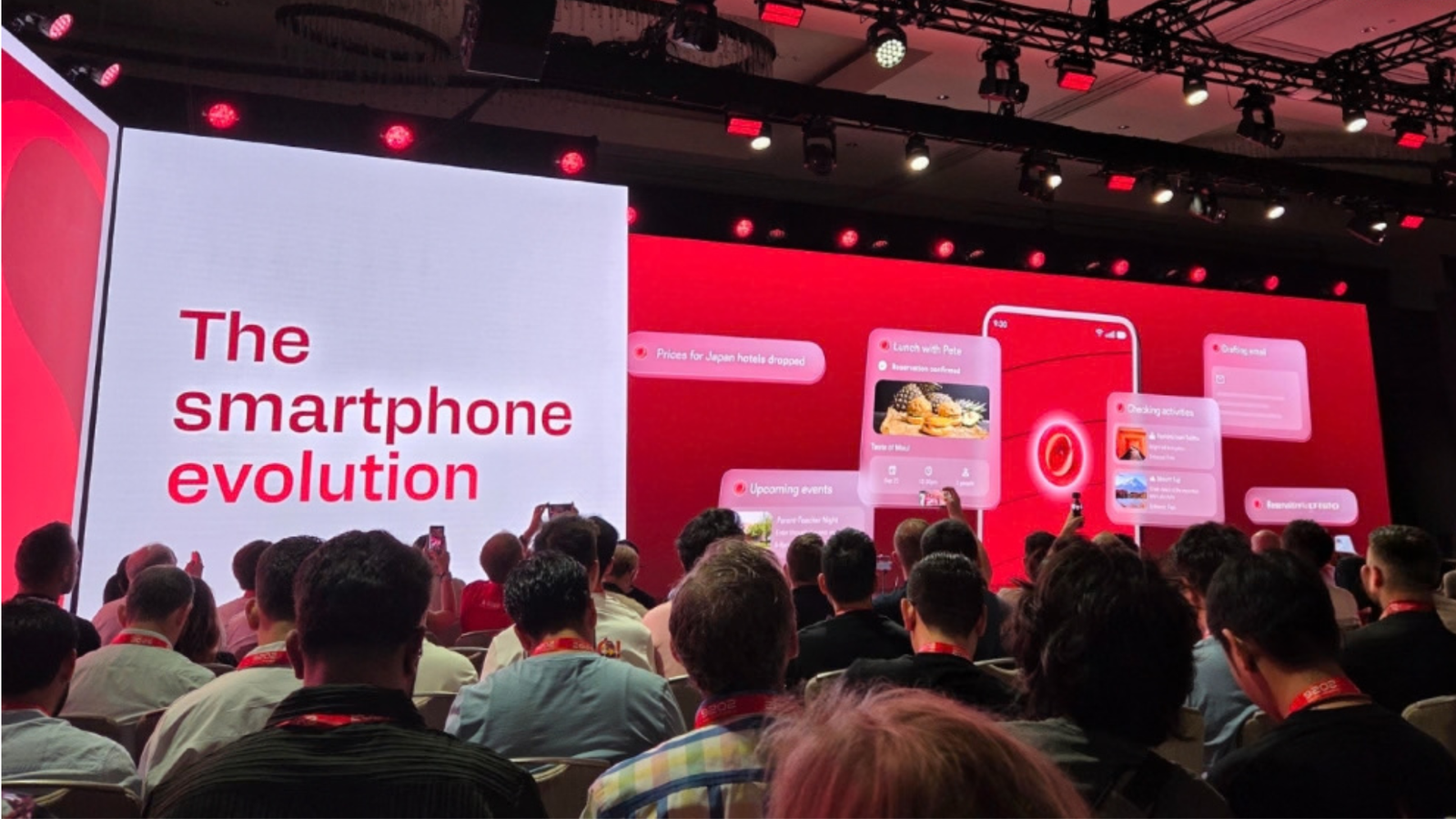
AI agents could become a more prominent part of the smartphone experience as consumers increasingly use artificial intelligence to complete tasks instead of relying solely on individual apps, according to Qualcomm executive Durga Malladi.
Unlike traditional AI assistants that primarily respond to questions, AI agents are designed to understand context, reason through tasks, plan actions and complete activities on behalf of users. This could allow people to perform tasks such as booking a cab or making a restaurant reservation without manually opening and navigating multiple applications.
The growing interest in AI agents comes as technology companies look for practical ways to integrate artificial intelligence into everyday consumer experiences. While early enthusiasm around consumer AI was met with questions about its usefulness, newer agent-based systems are increasingly focused on performing actions rather than simply generating responses.
Examples of this shift include Meta's Muse Agent and Google's Gemini. The growing adoption of AI-powered services has added to expectations that agentic technology could become an important part of how people interact with smartphones and other connected devices.
However, AI agents are not necessarily expected to replace traditional applications immediately. Apps continue to provide dedicated services and interfaces, while AI agents could increasingly act as an additional layer that connects users with those services.
For smartphone manufacturers and chipmakers such as Qualcomm, this shift could create new requirements for mobile hardware. AI agents may need devices capable of processing context, reasoning and other AI workloads efficiently, particularly when more tasks are handled directly on smartphones.
The emerging model could therefore see AI agents and conventional apps coexist, with users relying on whichever interface is more convenient for a particular task.
Technology
Qualcomm Executive Sees AI Agents Reshaping Smartphones
Qualcomm executive Durga Malladi says AI agents could become a major smartphone interface, handling tasks while traditional apps continue to coexist.