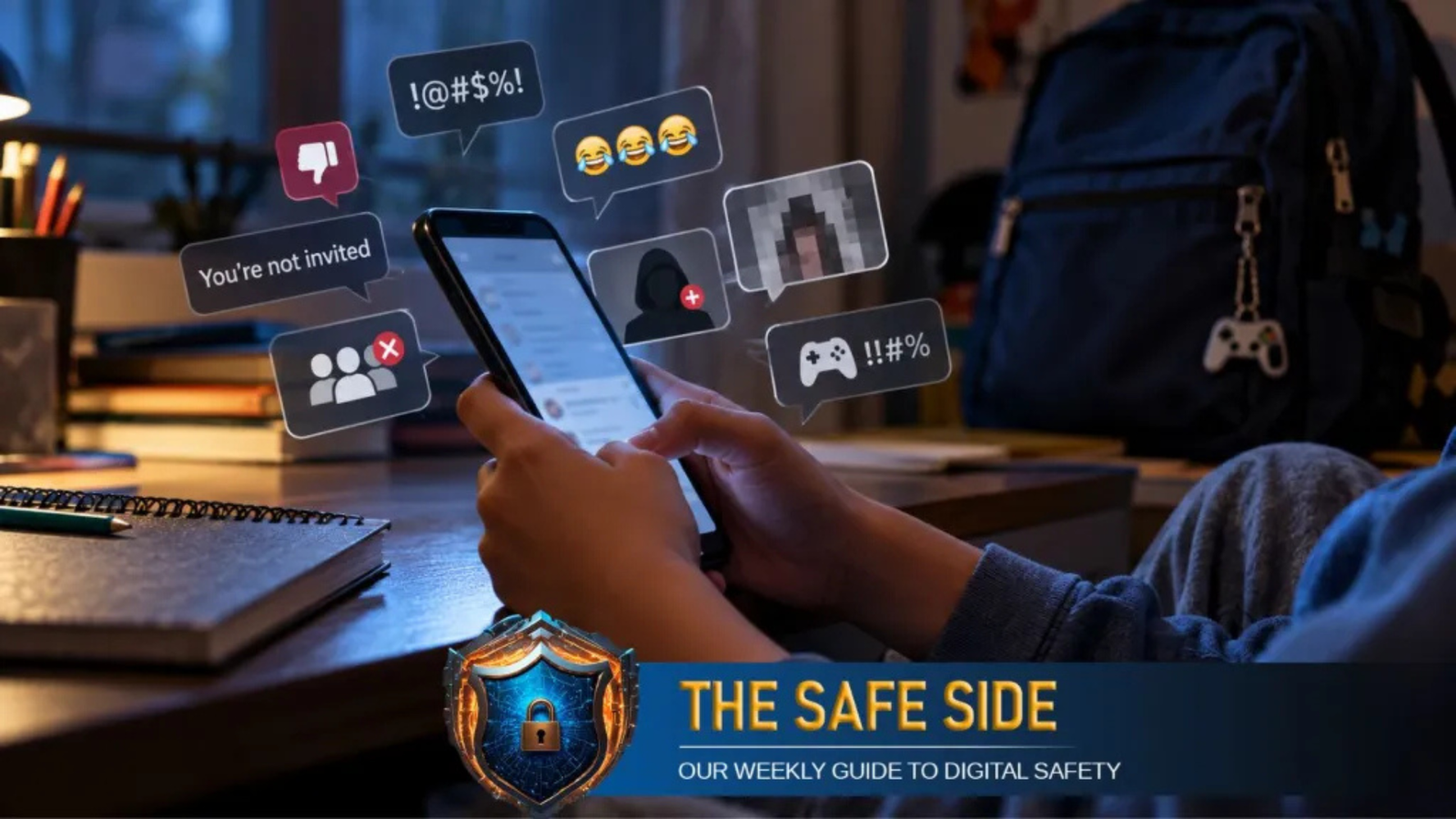
For children growing up with smartphones, social media and online gaming, bullying can continue long after they leave school. A disagreement in the classroom can spill into a WhatsApp group, while jokes, insults or embarrassing content can quickly spread among classmates.
Cyberbullying can take several forms. Children may be deliberately excluded from online groups, targeted while playing games, harassed through messages or become the subject of a fake social media account. Manipulated images and memes can also be used to embarrass or intimidate them.
Unlike traditional bullying, online harassment can feel difficult to escape because it can reach children at home and continue outside school hours. Content can also be shared rapidly, potentially increasing the number of people exposed to it.
A 2022 McAfee report found that 85 per cent of surveyed Indian children said they had experienced cyberbullying. The study reported that 45 per cent were bullied by strangers, while 48 per cent experienced bullying from people they knew. Trolling, personal attacks, sexual harassment and doxing were among the forms of abuse identified in the report.
For parents, creating an environment where children feel comfortable speaking about their online experiences is an important first step. Sudden changes in how a child uses their phone, avoids certain online spaces or reacts emotionally after using social media can be reasons to start a calm conversation.
Parents can also encourage children to save evidence of harassment, use platform reporting and blocking tools, and seek additional support when the situation involves threats, sexual harassment or persistent abuse.