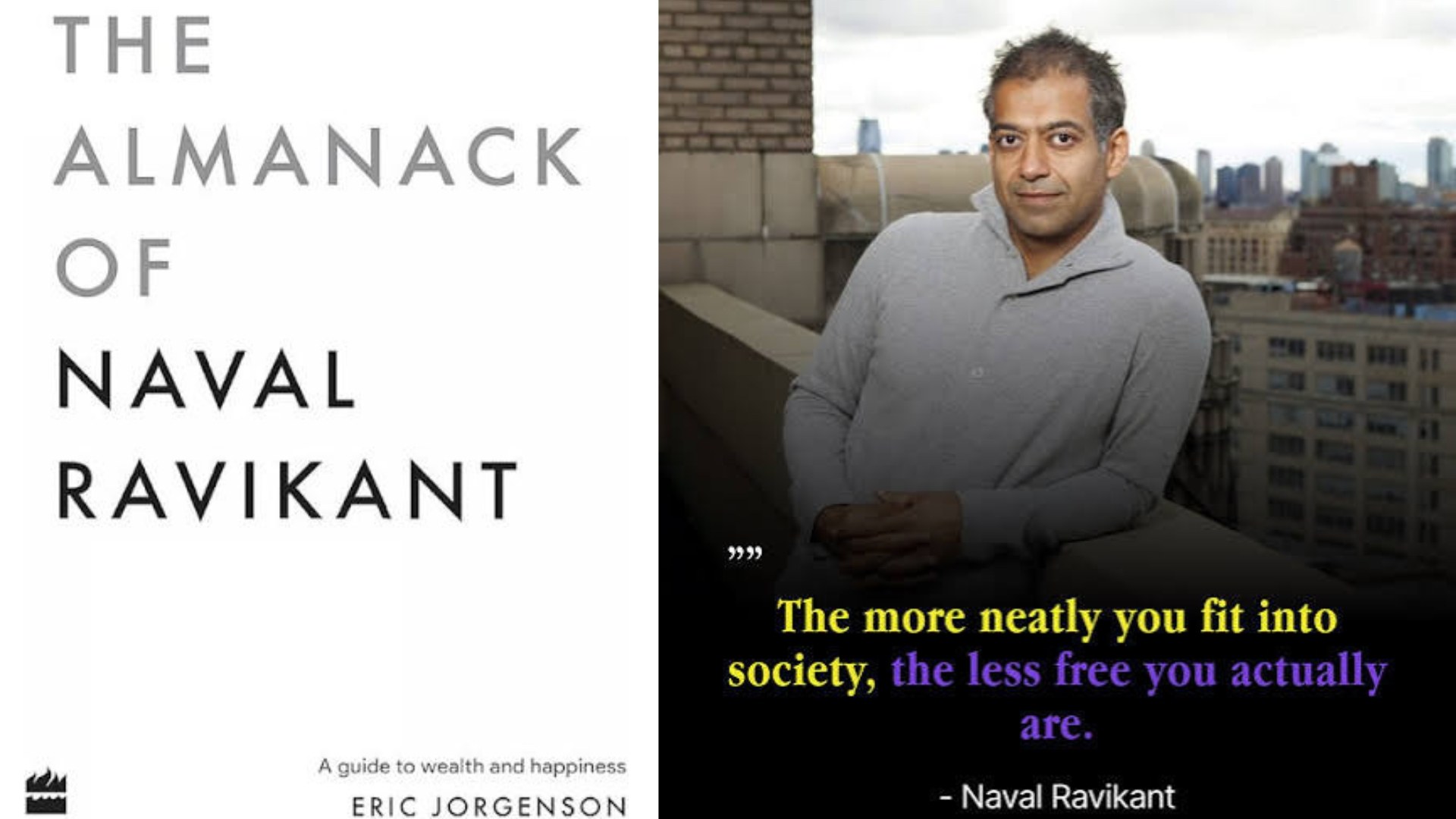
Building wealth is often associated with earning a high salary, starting a successful business or making profitable investments. However, entrepreneur and investor Naval Ravikant argues that long-term wealth creation depends on a different combination of skills, ownership and decision-making.

In The Almanack of Naval Ravikant, compiled by Eric Jorgenson, Ravikant presents ideas on building wealth, achieving financial independence and creating value beyond traditional employment. The book brings together his perspectives on entrepreneurship, technology and personal development.
Here are six important principles from his approach.
1. Build Ownership, Not Just Income
Ravikant emphasises the importance of owning equity rather than relying entirely on exchanging time for money. Salaries provide regular income, but ownership in businesses, stocks and intellectual property can offer opportunities to participate in long-term value creation.
2. Develop Specific Knowledge
Specific knowledge refers to skills developed through individual interests, natural abilities and experience. Rather than following every popular career trend, Ravikant encourages people to identify their strengths and develop expertise that is difficult to replicate.
3. Use Leverage to Expand Your Reach
He identifies four forms of leverage: labour, capital, code and media. Technology and digital content are particularly important because they allow individuals and businesses to reach larger audiences without increasing their effort at the same rate.
4. Take Responsibility for Your Decisions
Accountability helps establish professional credibility. Ravikant encourages individuals to put their names behind their work, accept responsibility for outcomes and build a reputation through consistent performance.
5. Prioritise Judgment Over Working Hours
Working longer does not automatically produce better results. Sound judgment helps individuals identify opportunities, assess risks and allocate resources effectively. In business, the quality of decisions can be as important as the effort invested.
6. Productise Your Skills
Ravikant's idea of productising yourself involves combining specialised knowledge, personal accountability and leverage into something valuable. This could take the form of a business, software product, educational platform or specialised service.
Ultimately, the book presents wealth creation as a process of developing valuable skills, building ownership and using available resources intelligently. Its message is particularly relevant in an economy where technology and digital platforms are changing how individuals create and distribute value.








0 comments
No comments yet. Yours would be the first.