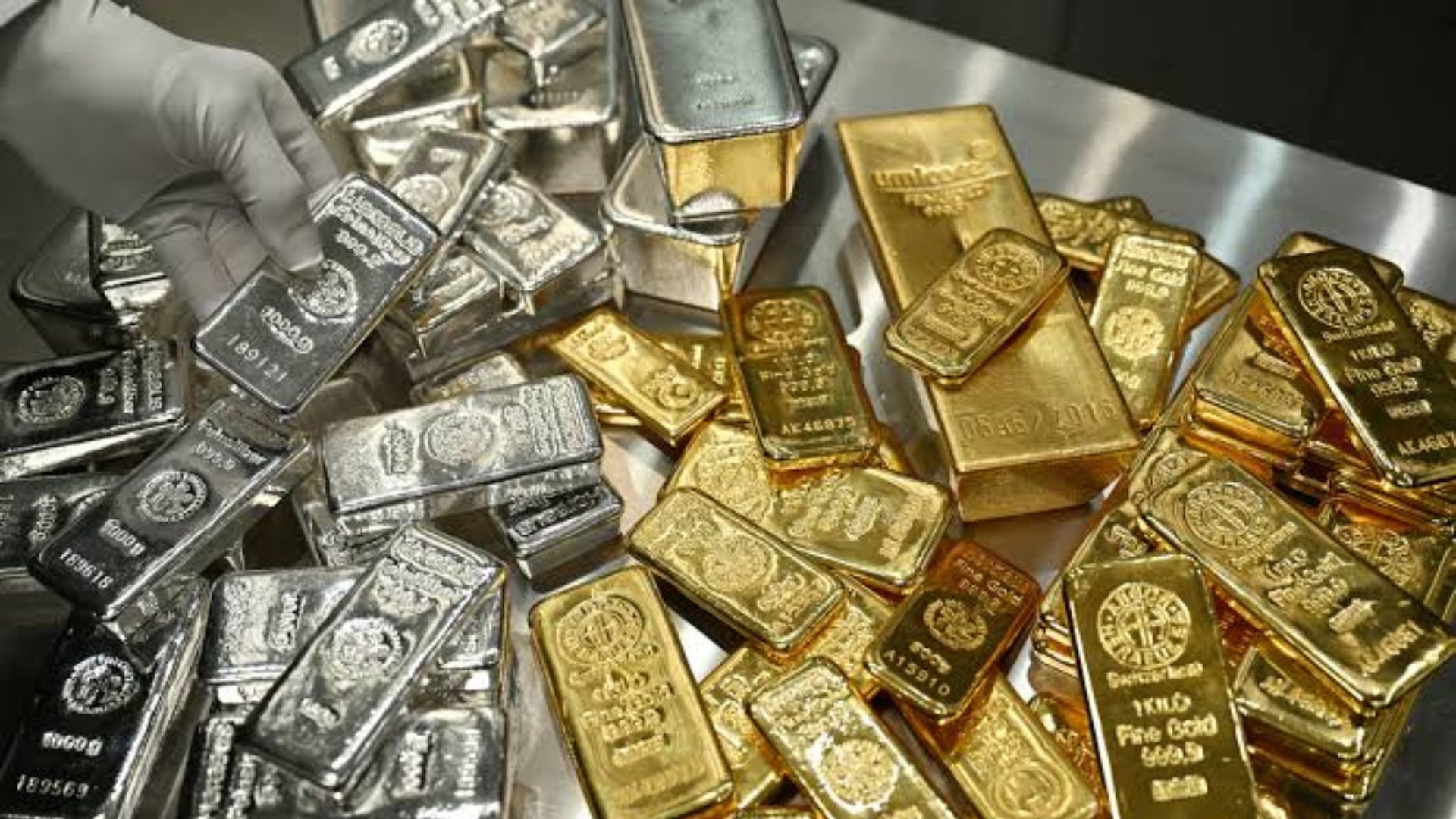
Gold and silver prices weakened for a second consecutive month in October, with both precious metals recording negative returns as investors weighed rising crude oil prices, persistent inflation concerns and the possibility of higher US interest rates. The outlook for both metals has also turned negative, with prices potentially facing further declines until key resistance levels are breached.

COMEX gold closed October at $3,884.90 an ounce, down 7.26% for the month. Silver suffered a sharper fall, declining 19.1% to settle at $49.13 an ounce by the end of October, according to the supplied report published on November 2, 2026.
The weakness reflects a challenging environment for precious metals. Rising crude oil prices can add to inflationary pressure by increasing energy and transportation costs. Persistent inflation, in turn, may make central banks more cautious about cutting interest rates or raise expectations that borrowing costs could remain elevated.
Higher US interest rates can weigh on gold and silver because precious metals do not generate interest income. When interest-bearing assets become more attractive, investors may have less incentive to hold metals, particularly if the US dollar also strengthens.
Silver's steeper monthly decline highlights the pressure facing the metal during the recent sell-off. In addition to its role as a precious metal, silver has industrial uses, meaning its price can also respond to expectations for economic activity and industrial demand.
The near-term technical outlook remains weak, according to the assessment outlined in the supplied report. Prices could continue to drift lower unless they break above important resistance levels. A sustained move above those levels would be needed to challenge the prevailing negative trend.
Investors will likely continue monitoring crude oil prices, inflation data, US monetary policy expectations and movements in the dollar for signals about the direction of precious metals. However, a negative outlook does not guarantee further losses, and prices can change as market conditions and investor sentiment evolve.







0 comments
No comments yet. Yours would be the first.