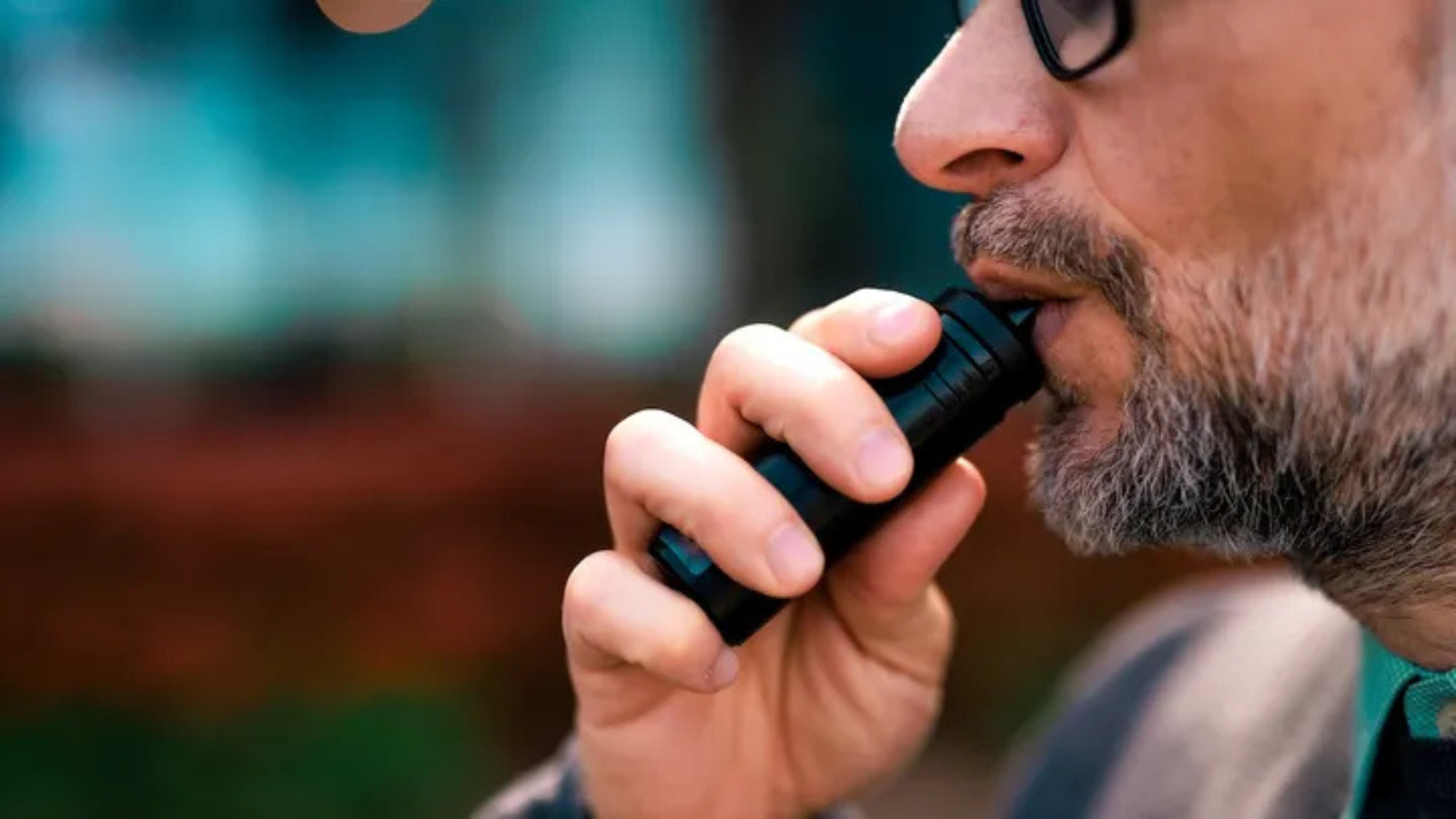
Some adults who stop vaping may end up returning to traditional cigarettes, according to recent public health data and addiction specialists. Experts say nicotine dependence and the behavioral habits linked to vaping can make the transition away from e-cigarettes difficult.
Vaping can provide frequent access to nicotine throughout the day, often without the breaks associated with smoking a cigarette. This constant availability may reinforce both nicotine dependence and the hand-to-mouth behavior associated with vaping.
Trent Carter, a board-certified nurse practitioner, said some people may perceive cigarettes as easier to control because smoking happens during defined episodes, while vaping can continue almost continuously.
Nicotine withdrawal can also make quitting challenging, particularly for people who regularly use high-nicotine products. Symptoms can include strong cravings, irritability, sleep problems and difficulty concentrating.
Experts note that nicotine replacement products such as patches and gum may help manage cravings, but quitting may require more than addressing nicotine intake alone. Behavioral factors, including stress, anxiety and established routines, can also influence whether someone successfully stops using nicotine.
Rather than replacing one nicotine habit with another, specialists recommend approaches that address both dependence and behavior. Behavioral therapy combined with supervised nicotine reduction may help some people manage withdrawal while changing the routines associated with vaping.
For people trying to quit vaping or smoking, healthcare professionals can help determine an appropriate cessation strategy based on nicotine use, withdrawal symptoms and individual circumstances.
Health
Quitting Vapes May Push Some Adults Back to Cigarettes
Some adults quitting vaping may return to cigarettes as nicotine withdrawal and behavioral habits make quitting difficult, experts say.