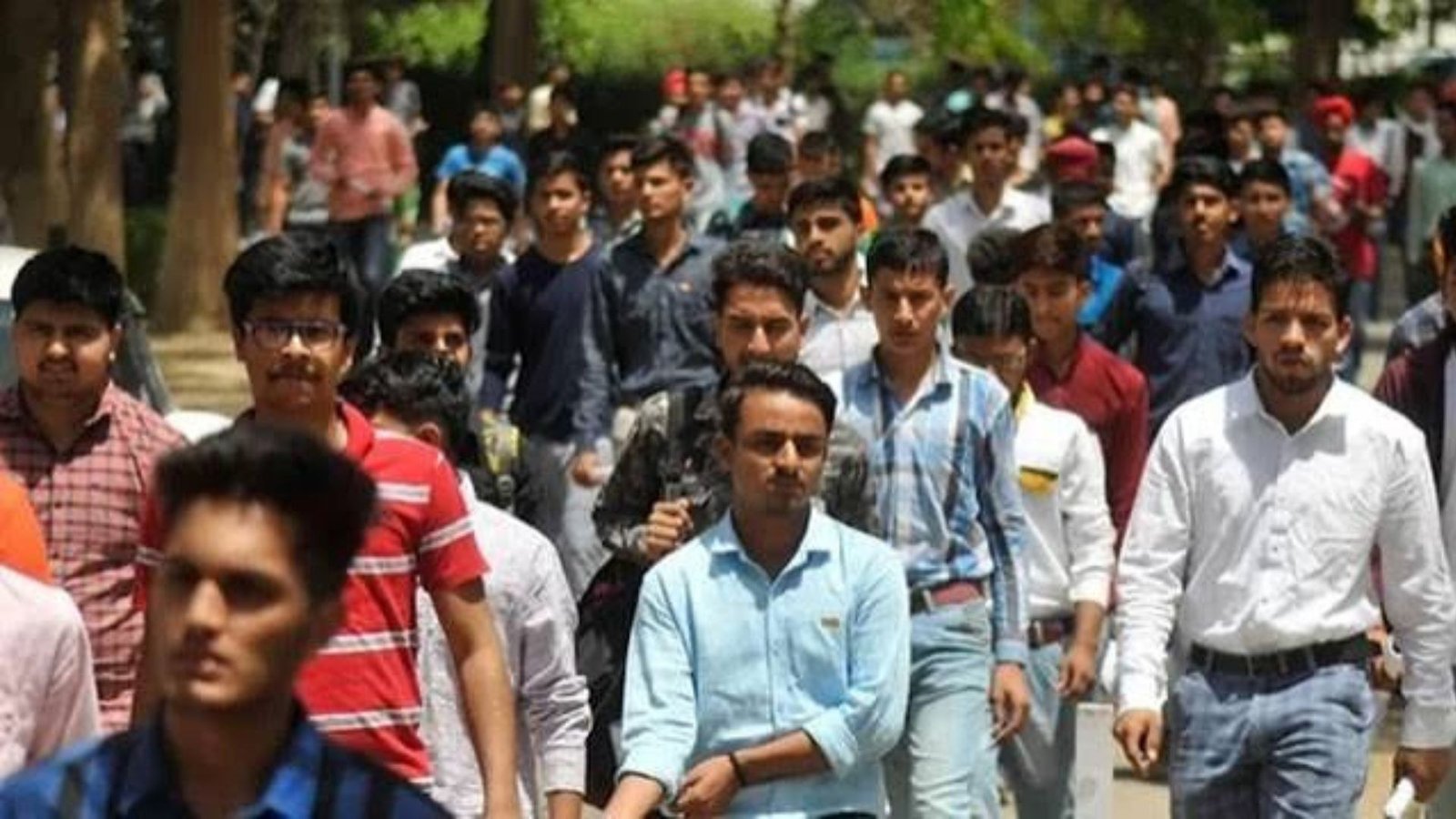
India’s graduate unemployment challenge is closely linked to the gap between education, skills and industry requirements, according to the NITI Aayog report Reimagining Skilling for Viksit Bharat@2047. The report highlights the need to strengthen employability and align education with changing labour-market demand.

The report notes that only about 8.25% of graduates are employed in jobs aligned with their qualifications, while 53.52% are employed below the skill level associated with their qualifications. Graduate unemployment remains another concern, particularly among women.
A major issue is the concentration of students in conventional undergraduate programmes such as B.A., B.Sc. and B.Com. The report argues that these degrees need stronger connections with applied skills, workplace exposure and emerging career pathways without eliminating their academic foundations.
The report also highlights gaps in India’s skilling ecosystem. More than 7.67 crore people have received formal training since 2014–15, but training outcomes have not consistently translated into employment. It recommends greater emphasis on verified placements, wage improvement and sustained employment rather than enrolment and course completion alone.
Another proposed direction is stronger workforce intelligence. A Skills Digital Registry and Exchange (Skills DX) could connect education, training, employment and workforce data to help institutions respond to regional and sector-specific demand.
The broader message is that India must move from treating education primarily as credential acquisition toward capability development. For Viksit Bharat@2047, stronger links between universities, skilling institutions and employers could become central to improving graduate employability and workforce readiness.