Indian higher education is entering a period of major transformation as universities face the combined challenges of expansion, equity and academic excellence. According to Prof V Ramgopal Rao, Group Vice Chancellor of BITS Pilani, artificial intelligence is adding another layer of change by forcing institutions to reconsider traditional classroom-based learning.

AI could enable personalised education, adapt lessons to individual learning styles and support students in different languages. Rao believes its impact will extend beyond teaching to research, potentially improving faculty productivity and research outcomes.
However, expanding access while maintaining quality remains a central challenge. Making education more affordable can create financial pressures for institutions, while higher fees can affect accessibility. Rao argues that universities must find sustainable models that allow growth without compromising academic standards.
Financial sustainability is also becoming increasingly important. Public universities often depend heavily on government funding, while private institutions rely significantly on tuition fees. Rao highlighted the need to explore alternative financial models capable of supporting long-term investments in research, infrastructure and academic development.
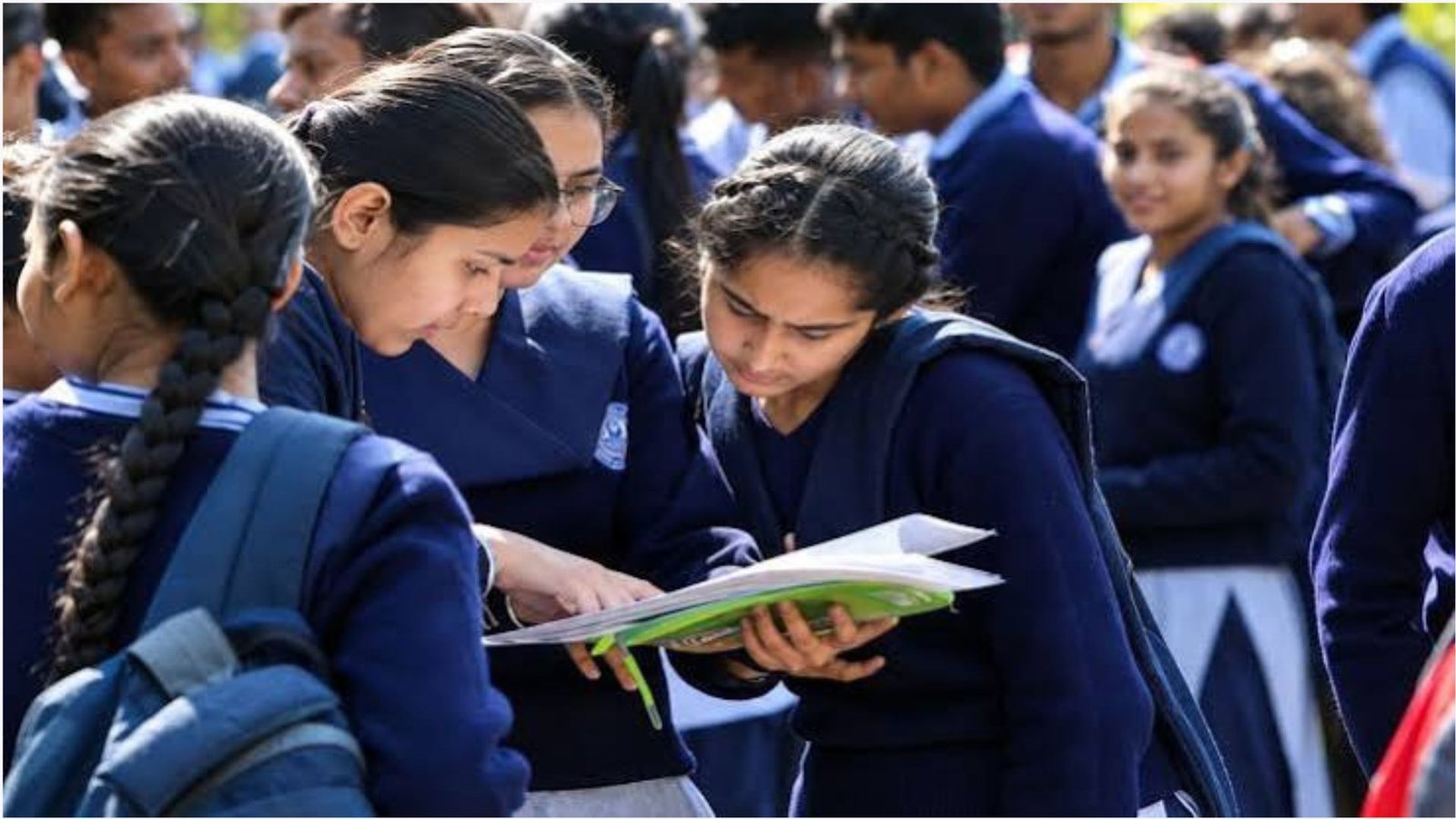
Student return on investment is another growing consideration. Students increasingly evaluate institutions based on employability and career outcomes, while their aspirations range from entrepreneurship and research to public service and industry careers.
BITS Pilani itself is investing about ₹2,300 crore, including ₹1,300 crore for a new Amaravati campus and around ₹1,000 crore for expansion at existing campuses.
Rao identified five priorities for Indian higher education: financial sustainability, research and innovation, governance and leadership, employability and industry alignment, and faculty development.