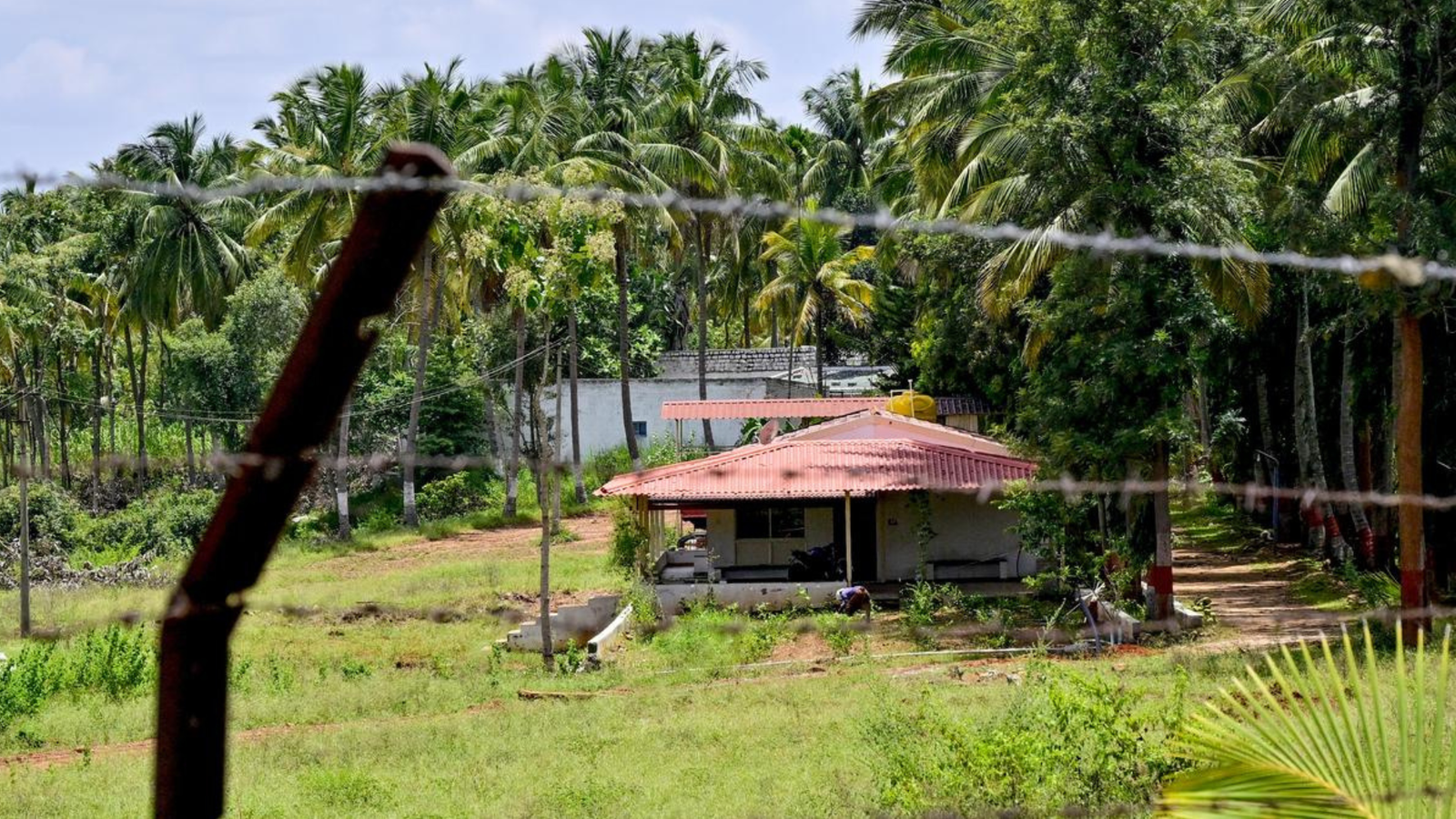
A suspected counterfeit drug network uncovered in Karnataka has raised serious questions about medicine safety, pharmaceutical supply chains and regulatory oversight after an alleged repackaging unit was found operating from a farmhouse in Bidadi.
The case came to light in August after an agricultural worker in C.K. Tandya village noticed discarded medical waste near the property. Police subsequently investigated the farmhouse and allegedly found an unlicensed facility involved in repackaging and relabelling medicines.
Authorities seized suspected counterfeit and expired medicines, along with packaging machinery and printing materials. The total value of the seized material was estimated at around ₹5 crore. Investigators allege that lower-cost medicines were repackaged and labelled to resemble expensive imported medicines.
The investigation later expanded to the suspected distribution network. Authorities have alleged that counterfeit medicines, including cancer drugs and critical-care injections, reached more than 90 hospitals and clinics in Bengaluru and other areas. Samples have been sent for laboratory testing to determine their composition and quality.
The Karnataka Food Safety and Drugs Administration has since cancelled 16 drug licences and suspended eight others in connection with the alleged distribution and sale of spurious medicines. The action also included scrutiny of pharmaceutical supply and distribution channels.
The case has prompted wider questions about how counterfeit medicines can enter legitimate supply chains and reach healthcare institutions.
Authorities continue to investigate the alleged interstate network, with officials examining the source, repackaging and distribution of the medicines.
Health
Karnataka Fake Drug Racket Raises Patient Safety Concerns
A suspected counterfeit drug network in Karnataka allegedly repackaged medicines and supplied hospitals, raising concerns over patient safety and drug regulation.