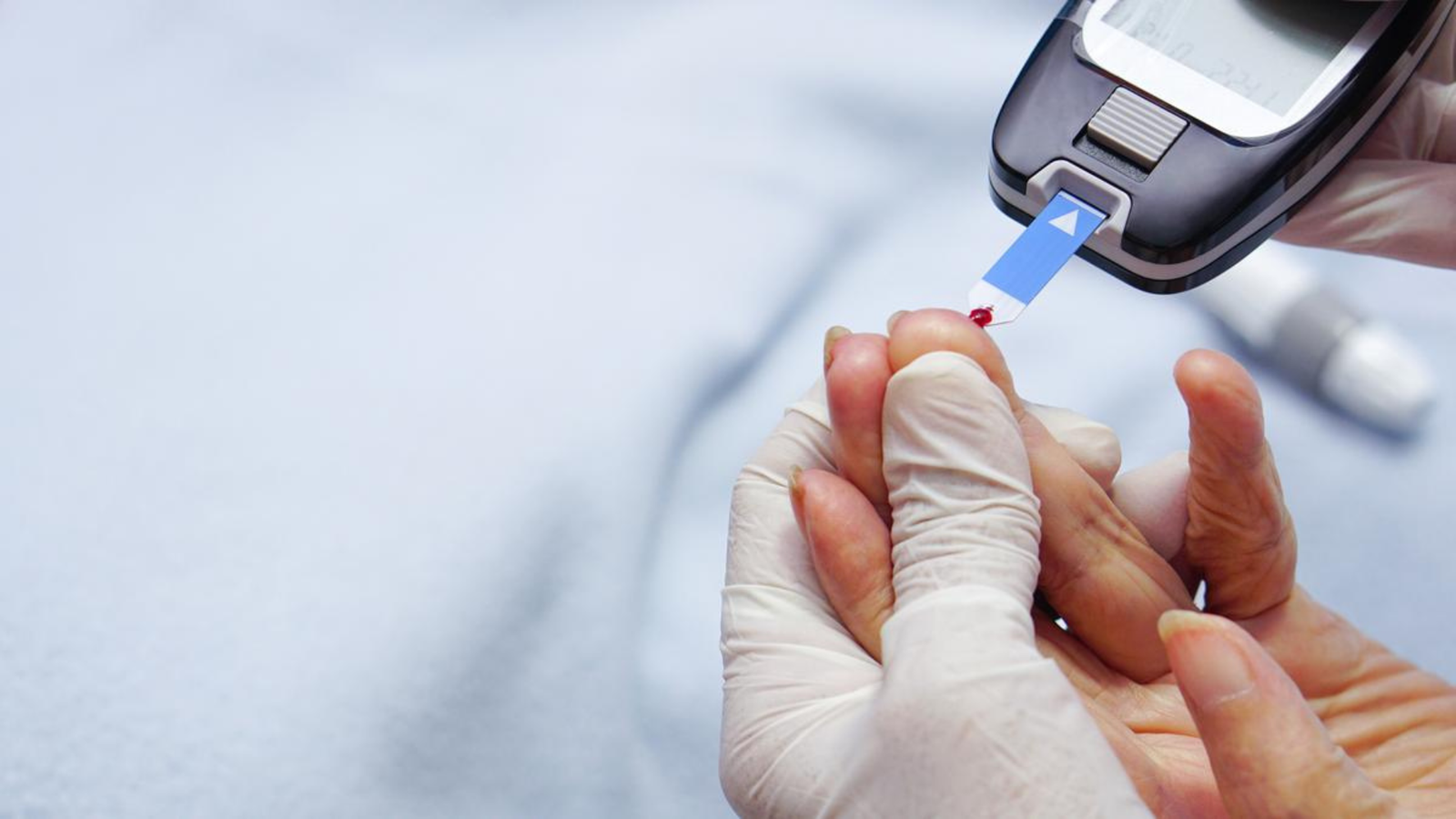
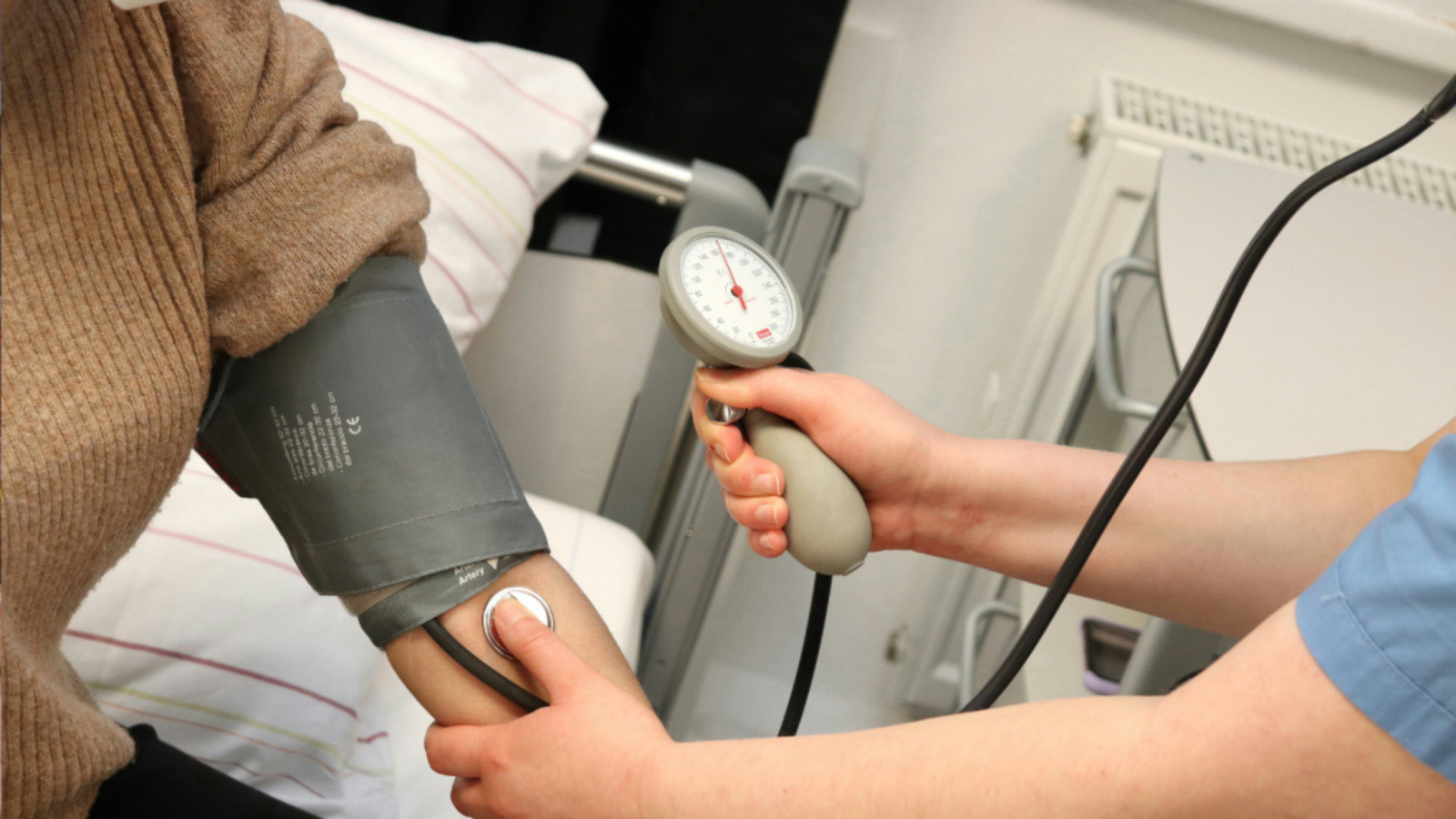
A new study has examined how India has managed to make several modern diabetes medicines more affordable and what lessons its pharmaceutical model could offer other low- and middle-income countries.
The study, led by Chennai-based diabetologist V. Mohan and published in Diabetes Care, focuses on the availability and pricing of newer diabetes treatments in India. Researchers examined factors that have helped reduce the cost of medicines that can otherwise remain expensive for patients requiring lifelong treatment.
According to the study, India’s position as a major pharmaceutical exporter has played an important role in improving access to medicines. The country’s generic drug manufacturing capacity allows companies to produce medicines at lower prices after applicable patent protections expire.
The researchers also highlighted India’s patent framework, including provisions intended to prevent “evergreening”, a practice in which minor changes to an existing medicine may be used to seek additional patent protection.
Modern diabetes treatments include GLP-1 receptor agonists and SGLT2 inhibitors, which have been associated with cardiovascular and kidney benefits, while insulin analogues can help reduce the risk of hypoglycaemia. However, the cost of long-term treatment remains a significant concern, particularly in countries where patients may have limited access to healthcare.
The study noted that around 80 per cent of the world’s 589 million adults living with diabetes are in low- and middle-income countries.
Researchers said India’s experience could provide potential lessons for other countries seeking to improve access to newer diabetes medicines while managing healthcare costs.
The findings highlight the role of pharmaceutical manufacturing, patent policy and competition in influencing medicine affordability.
Health
How India Made Expensive Diabetes Medicines More Affordable
A study examines how India has made modern diabetes medicines more affordable through generic manufacturing, patent rules and pharmaceutical production.