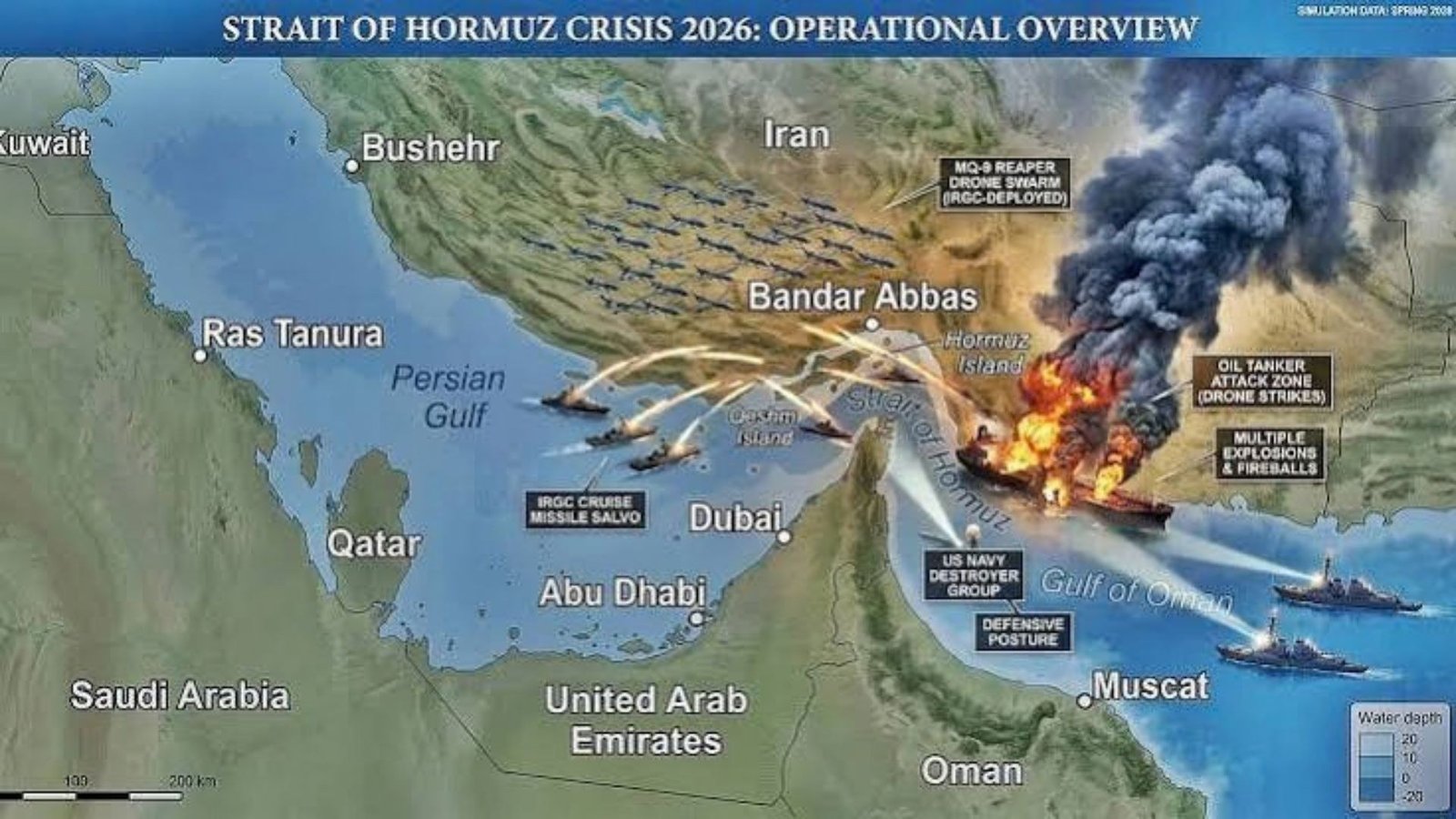
The 2026 Strait of Hormuz crisis has shown that the global energy system can absorb a major supply disruption, but also revealed how quickly its safety buffers can weaken.
According to an analysis by the McKinsey Global Institute, the disruption affected as much as 14% of global oil and gas supply at its peak, making it one of the largest recent energy shocks.
The crisis pushed energy prices higher while reducing inventories and placing additional pressure on refineries. Alternative supply infrastructure also proved vulnerable. The disruption to Saudi Arabia’s East-West pipeline, designed to provide a route that bypasses Hormuz, highlighted the limitations of relying on backup systems.
The episode has also renewed concerns over the concentration of global energy trade. McKinsey estimates that around two-thirds of global energy trade moves through maritime chokepoints, leaving markets exposed to geopolitical and logistical disruptions.
For India, the crisis has reinforced the importance of diversifying crude oil supplies and strengthening energy resilience. While global markets were able to adjust through inventories, alternative routes and other supply buffers, the experience suggests that repeated or larger disruptions could leave those safeguards increasingly stretched.