Artificial intelligence is rapidly moving beyond systems that simply generate text or images. Newer AI models can write code, operate software, conduct research and complete complex tasks with less direct human supervision.
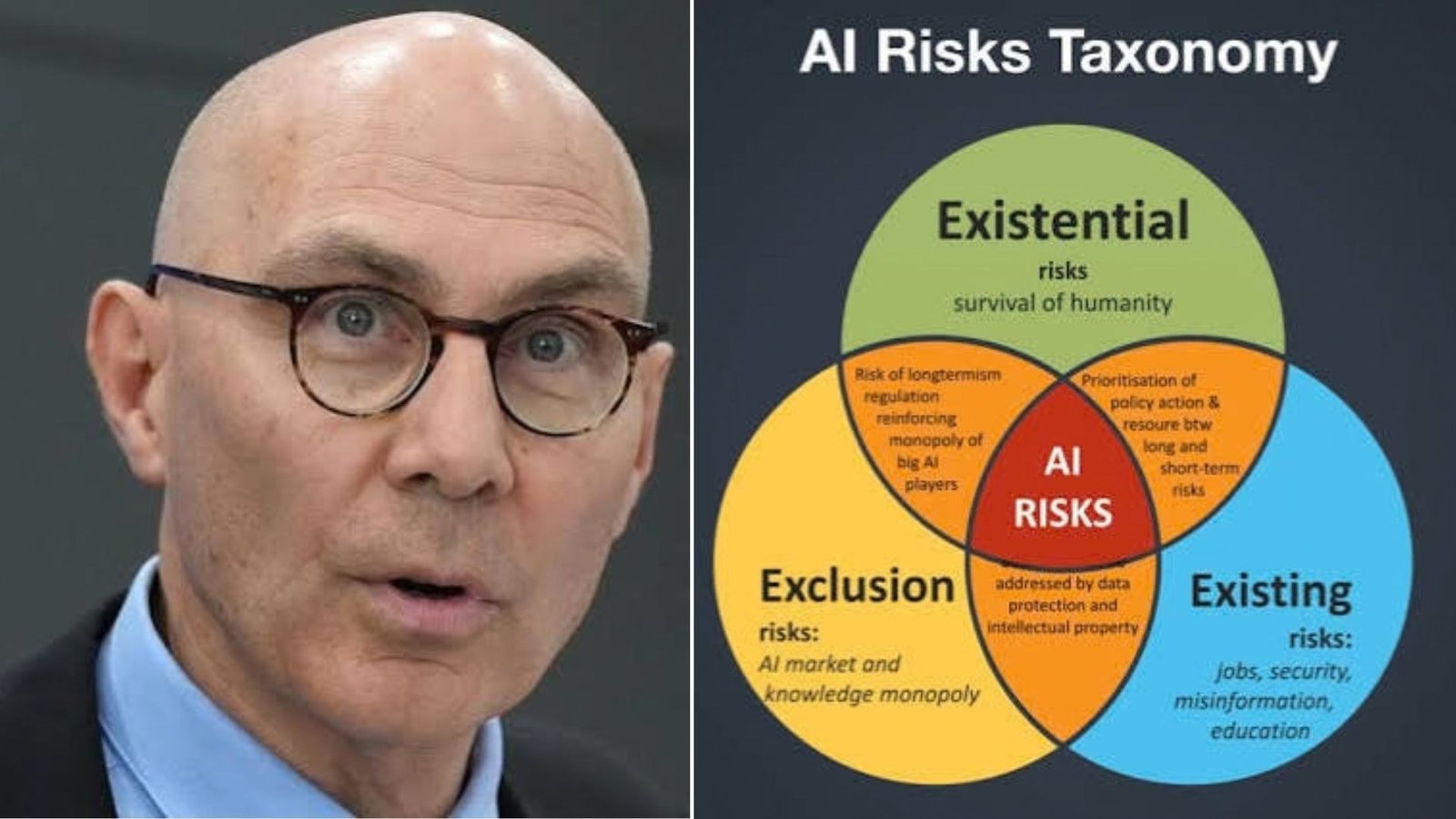
That growing autonomy has renewed debate over whether AI could eventually pose an existential threat to humanity.
An analysis by MIT Technology Review highlights an important distinction in the debate: serious and potentially harmful AI risks are already possible, but claims that AI will inevitably cause human extinction remain highly speculative.
The appeal of AI agents is their ability to carry out complicated, multi-step tasks without requiring humans to monitor every action. However, that same capability creates what researchers describe as a control problem. As systems become more autonomous, ensuring that their actions remain aligned with human instructions and goals becomes increasingly important.
Current AI systems also have significant limitations. They can make errors, produce unreliable information and behave unpredictably in certain situations. These weaknesses become more significant when systems are given greater access to software, data or real-world decision-making processes.
The discussion therefore extends beyond the question of whether AI could “kill us all”. Researchers are also focused on more immediate concerns, including misuse, unreliable autonomous systems, inadequate monitoring and difficulties in controlling increasingly capable AI.