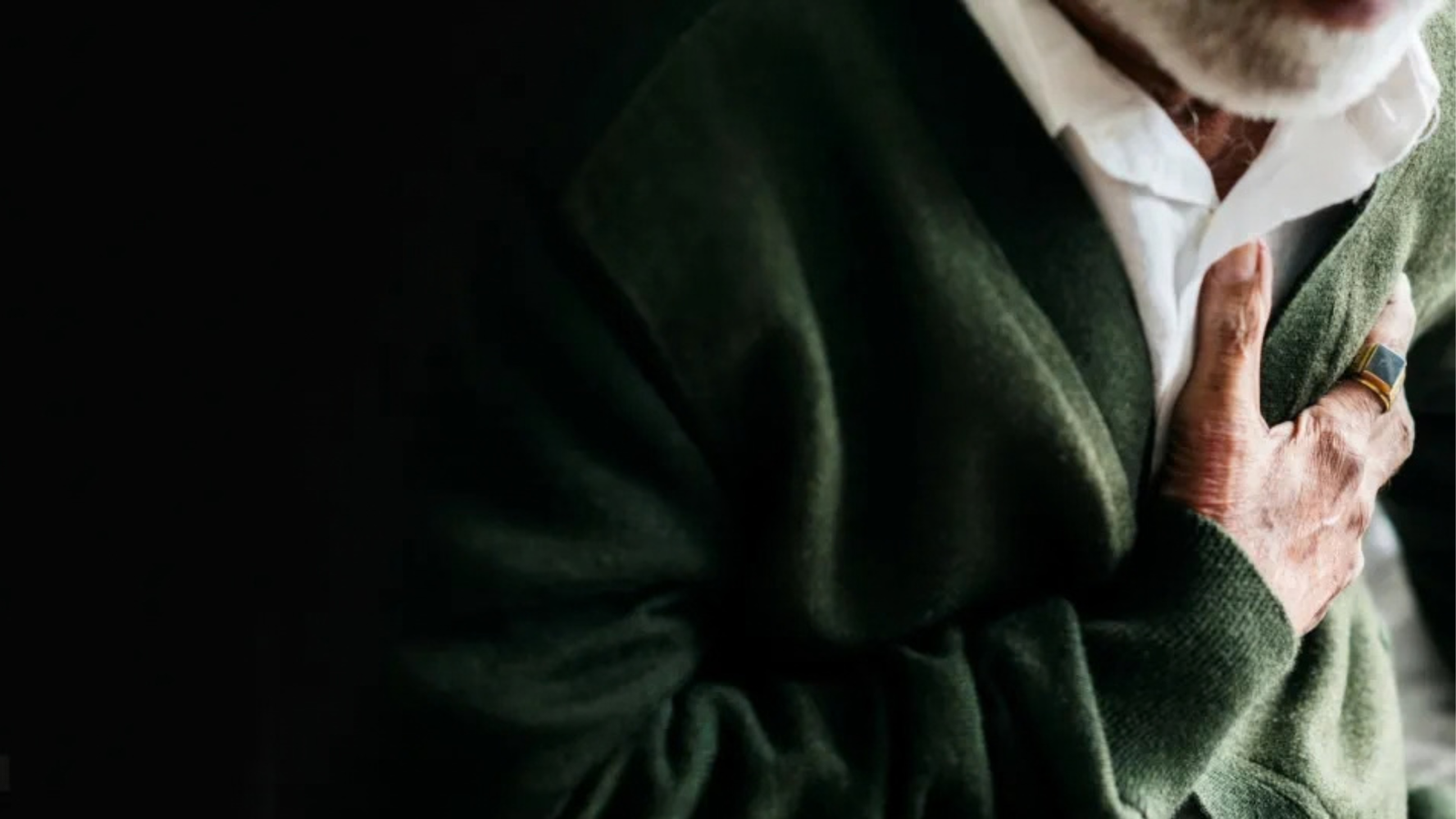
Heart attack symptoms can look different in older adults, making them easier to mistake for normal signs of ageing. Tiredness, reduced stamina, breathlessness and weakness may gradually develop and should not always be dismissed as getting older.
Younger people experiencing a heart attack may commonly report intense or crushing chest pain. In older adults, however, symptoms can sometimes be less typical or develop more gradually.
Unexplained fatigue, shortness of breath after routine activities, reduced physical stamina or a noticeable decline in mobility may signal an underlying heart problem. Some older adults may also experience weakness or a general feeling of being unwell.
These symptoms can be particularly difficult to recognise because they may overlap with other conditions commonly seen with ageing. Family members may also overlook a gradual change in someone's activity level or assume the person is simply slowing down.
A new or unexplained change in exercise tolerance, persistent breathlessness or unusual fatigue warrants medical evaluation, particularly in people with existing cardiovascular risk factors.
Symptoms such as chest discomfort, severe breathlessness, sweating, nausea, dizziness or fainting can require urgent medical attention. Heart attack symptoms can vary considerably between individuals, so the absence of severe chest pain does not necessarily rule out a cardiac emergency.
Older adults and their families should therefore pay attention to new, sudden or worsening changes rather than automatically attributing them to age.
If a heart attack is suspected, emergency medical care should be sought immediately rather than waiting for symptoms to become more severe.
Health
Heart Attack Symptoms in Older Adults: Signs to Watch
Heart attacks in older adults may cause tiredness, breathlessness and weakness instead of classic chest pain. Know the warning signs that need attention.