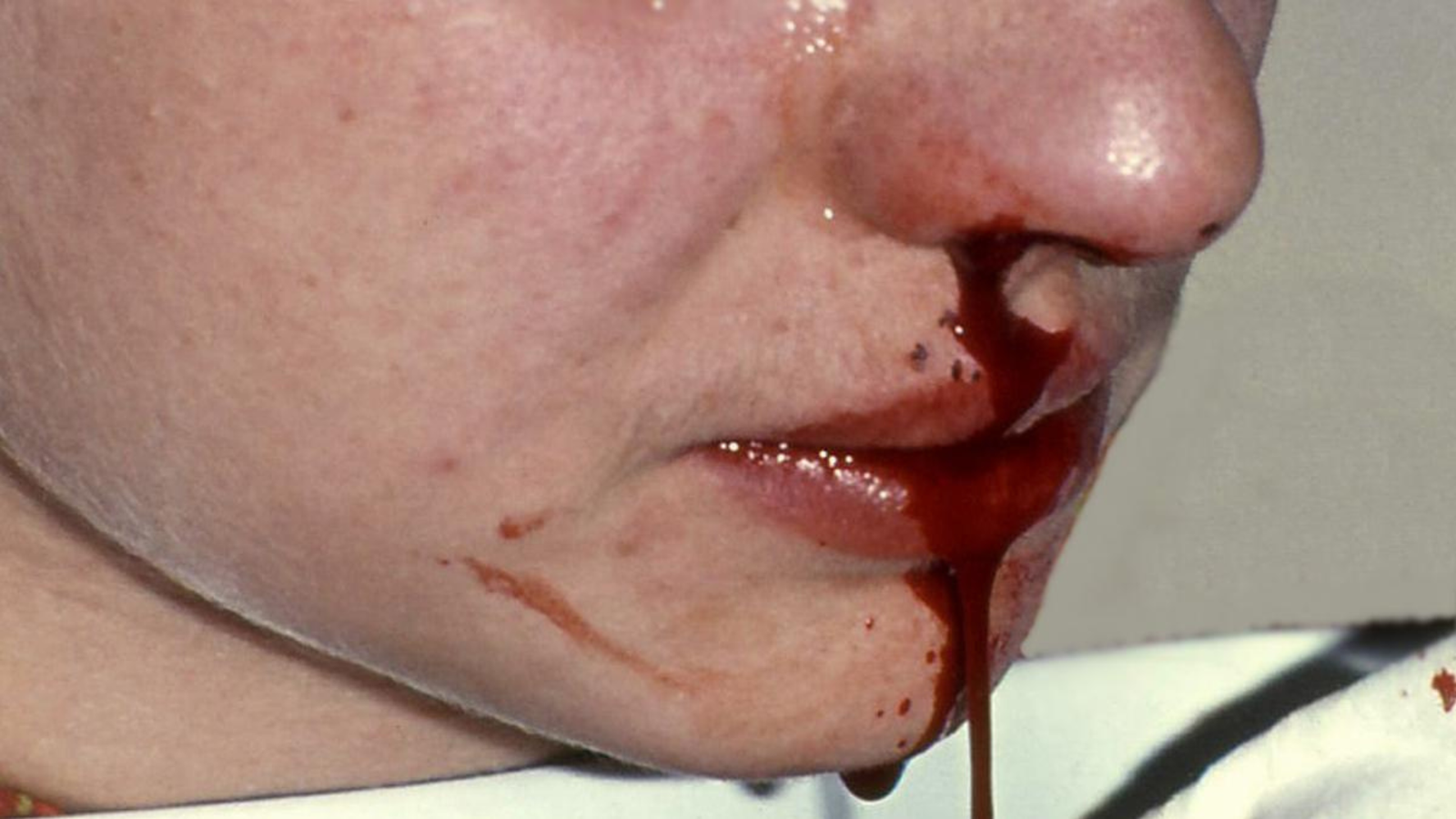
Nosebleeds, medically known as epistaxis, are common and usually not a sign of a serious health problem. Around 60% of people are estimated to experience a nosebleed at least once during their lifetime.
They occur most often in children under 10 and adults over 45. A nosebleed can affect either nostril, although it usually occurs on only one side.
The inside of the nose is covered by a thin, moist lining called the nasal mucosa. It helps clean, warm and moisten the air entering the respiratory system.
This lining contains numerous small blood vessels that are located close to the surface. Because these vessels are delicate, they can become irritated or damaged relatively easily. When a blood vessel breaks, bleeding can occur.
One of the most common triggers is dryness inside the nose, which can develop because of changes in temperature or dry air. Other common causes include picking the nose and blowing the nose too forcefully.
Although seeing blood from the nose can be alarming, most nosebleeds are temporary and do not indicate a major medical problem.
However, recurrent or unusually heavy nosebleeds may require medical evaluation, particularly if they are difficult to stop or occur alongside other symptoms.
Understanding the common causes can help people respond calmly and identify situations where professional medical advice may be appropriate.
Health
Nosebleeds: Causes, Symptoms and What to Know
Nosebleeds are common, especially in children and older adults. Learn about common causes, why they happen and when a nosebleed needs attention.