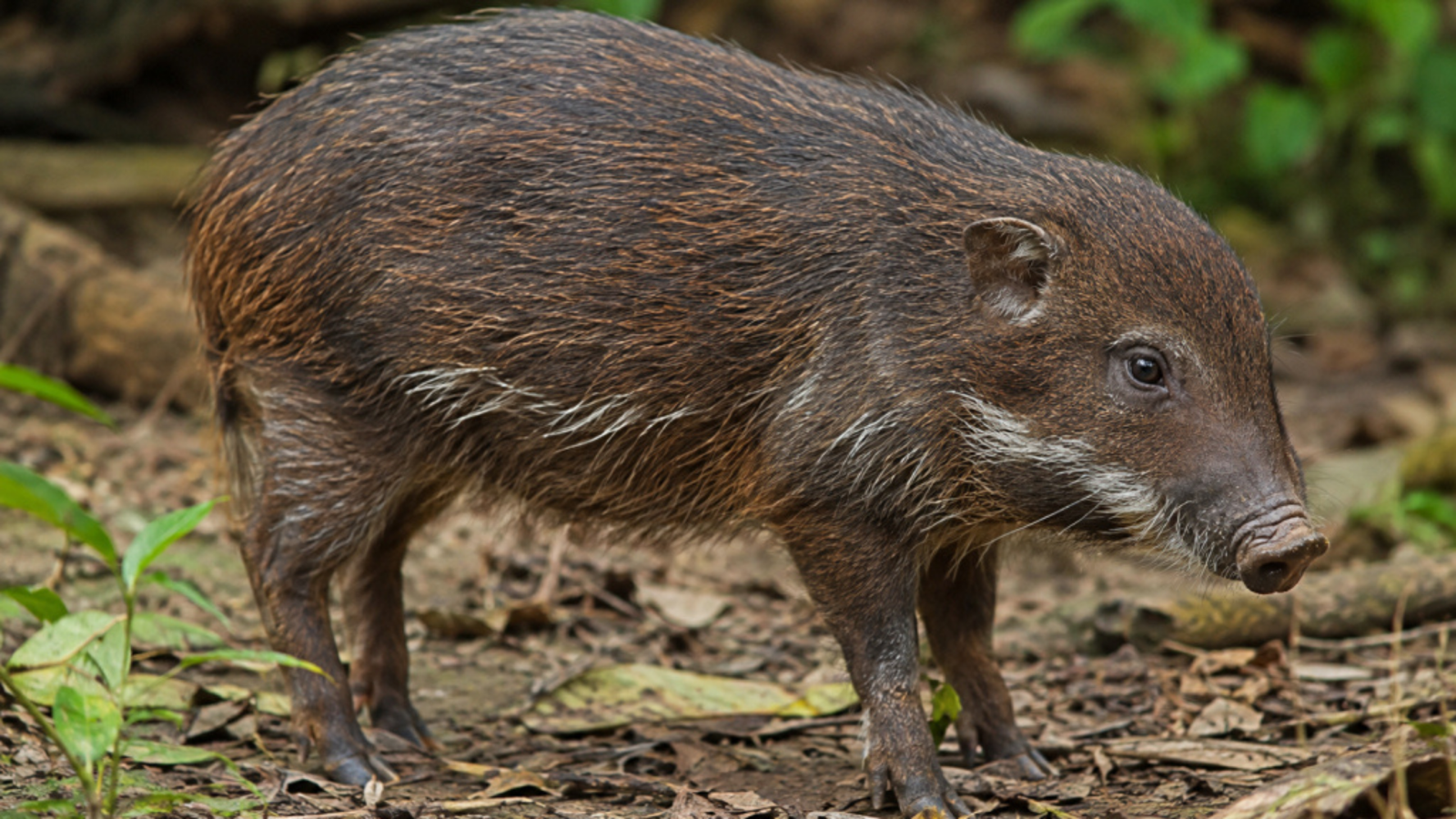
A tiny wild pig once considered close to extinction is gradually returning to Assam’s grasslands through a long-running conservation programme.
The pygmy hog (Porcula salvinia), India’s only endemic wild pig and one of the world’s rarest mammals, has been the focus of conservation efforts aimed at rebuilding its population and restoring it to suitable grassland habitats.
The conservation programme began a crucial phase in 1996, when six pygmy hogs were captured from the Kuribeel grasslands of Manas National Park. Conservationists feared that the remaining wild population could disappear, leading to the establishment of a captive-breeding effort.
Those six animals became the foundation of the Pygmy Hog Conservation Programme (PHCP). Over the following decades, breeding and reintroduction efforts helped increase the number of animals involved in the conservation programme.
The population has now reached 194 animals bred and reintroduced, marking a significant change from the six individuals that formed the programme’s starting point.
The pygmy hog is closely associated with tall, wet grasslands, habitats that have faced increasing pressure from changes in land use and other environmental factors. Protecting these habitats remains an important part of ensuring that reintroduced animals can survive in the wild.
Further releases are planned in Manas, where conservation efforts continue to support the species’ recovery.
The journey from six animals to 194 demonstrates how sustained captive breeding, habitat protection and carefully planned reintroduction can contribute to the recovery of a species facing severe population decline.
Lifestyle
Assam’s Pygmy Hog Conservation: From 6 to 194 Animals
Assam’s pygmy hog conservation programme has grown from six animals in 1996 to 194, supporting the return of the rare species to the wild.