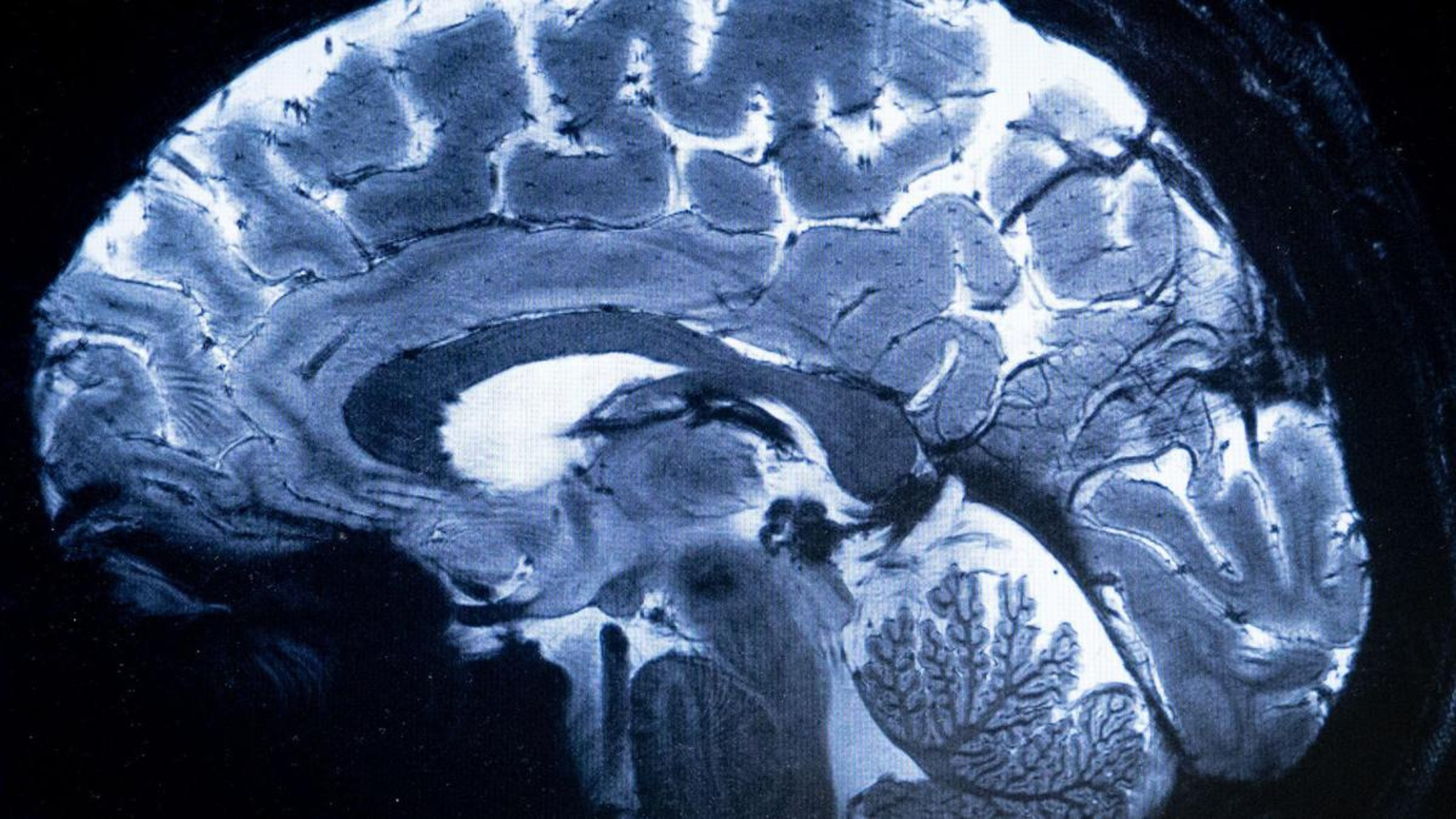
Blood tests for Alzheimer’s disease are becoming an increasingly important tool for detecting biological changes linked to the condition. Tests measuring biomarkers such as p-tau217, p-tau181 and amyloid-beta can provide information that may support the diagnostic process.
Alzheimer’s-related changes can begin in the brain years before noticeable memory or thinking problems develop. Blood-based biomarkers offer a less invasive way to detect some of these changes compared with tests that directly examine the brain.
One important group of biomarkers is phosphorylated tau, or p-tau. Tau is a protein found inside nerve cells, while abnormal tau accumulation is associated with neurofibrillary tangles, one of the characteristic changes seen in Alzheimer’s disease.
Blood tests can also measure amyloid-beta-related markers, including the Aβ42/Aβ40 ratio. Abnormal amyloid-beta accumulation is another biological feature associated with Alzheimer’s.
However, a positive or negative blood test does not by itself describe how severe a person’s memory problems are. These tests do not directly measure memory loss, the extent of brain-cell damage or a person’s overall cognitive ability.
Doctors therefore need to interpret blood-test results in the context of symptoms, medical history, clinical assessment and the specific test being used. Different tests may have different performance characteristics, and results can require further evaluation.
The growing availability of blood-based biomarkers could make Alzheimer’s assessment more accessible and less invasive. At the same time, their role is best understood as part of a broader diagnostic process rather than as a standalone measure of a person’s cognitive health.
Health
Alzheimer’s Blood Tests: What Can They Really Tell Us?
Alzheimer’s blood tests such as p-tau217 and p-tau181 can detect disease-linked biomarkers, but results cannot alone determine symptoms or disease severity.