
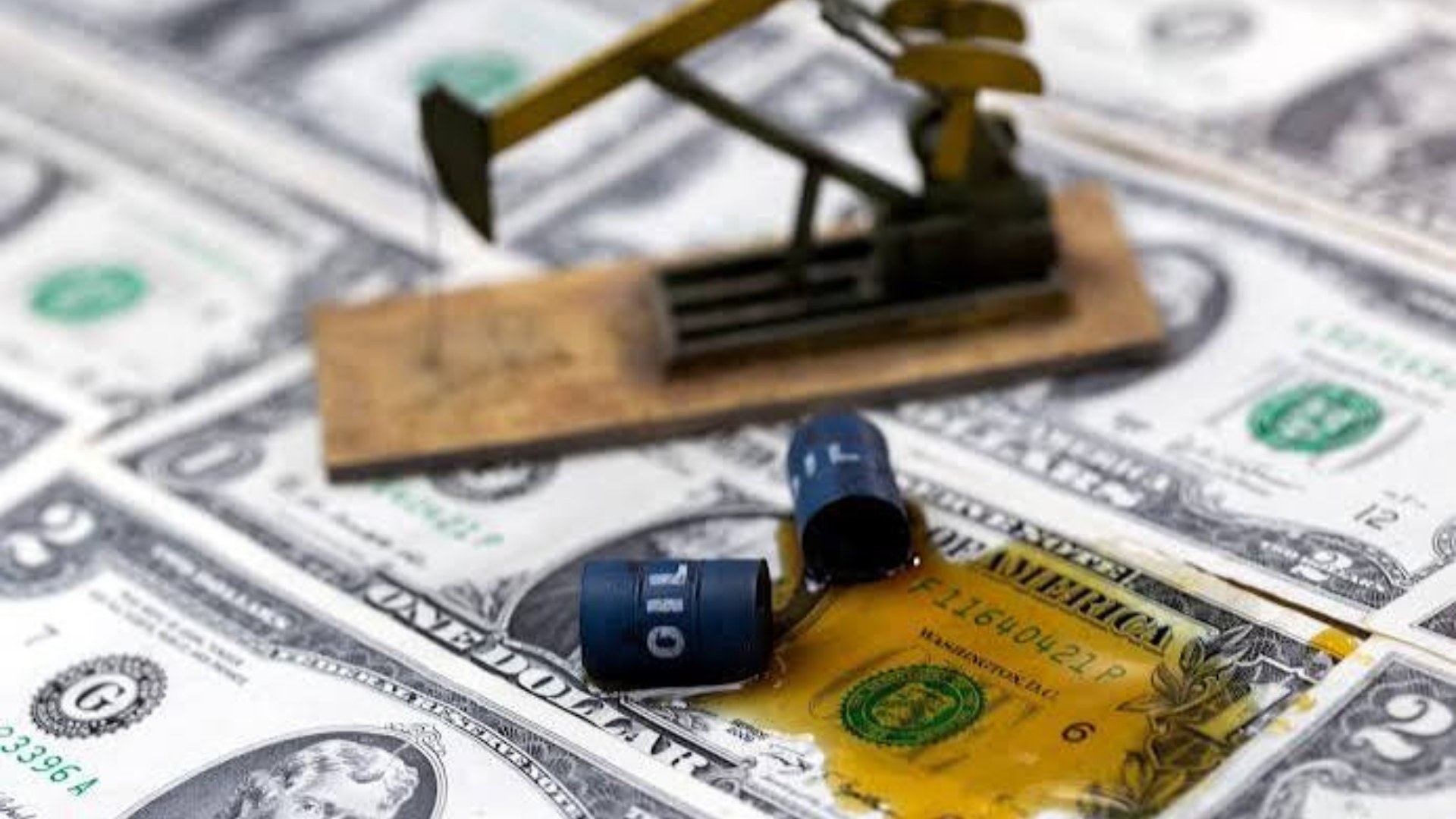
Growing concerns over artificial intelligence (AI) valuations are raising questions about the US dollar’s traditional role as a safe-haven currency. Heavy foreign investment in American technology stocks and related assets could make the dollar more vulnerable if the AI boom loses momentum.

International investors have poured money into US mega-cap technology stocks, bonds issued by major cloud computing companies and infrastructure supporting the expansion of AI. These investments have benefited from expectations of strong American economic growth, relatively attractive interest rates and continued demand for US financial assets.
However, this growing exposure could become a risk if investors begin pulling money out of the US market. A sharp decline in technology stocks could prompt overseas investors to sell American assets, potentially putting pressure on the dollar instead of strengthening it during market uncertainty.
Recent market movements have offered an early indication of this risk. According to a Reuters report published on October 28, 2026, pressure on AI valuations during the previous week helped direct demand towards the Japanese yen and Swiss franc rather than the US dollar.
Dominic Bunning, head of G10 foreign exchange strategy at Nomura, said it was becoming less certain that the dollar would benefit from a market downturn in the same way it traditionally has.
The outlook also depends on US interest rates. If the Federal Reserve cuts rates, the dollar could lose some of the yield advantage that has supported demand for American assets.
The key concern is the growing connection between the dollar and investor appetite for AI-related investments. If that enthusiasm fades, the currency could face pressure from investors reducing their exposure to US markets, even as demand for safer assets increases.



0 comments
No comments yet. Yours would be the first.