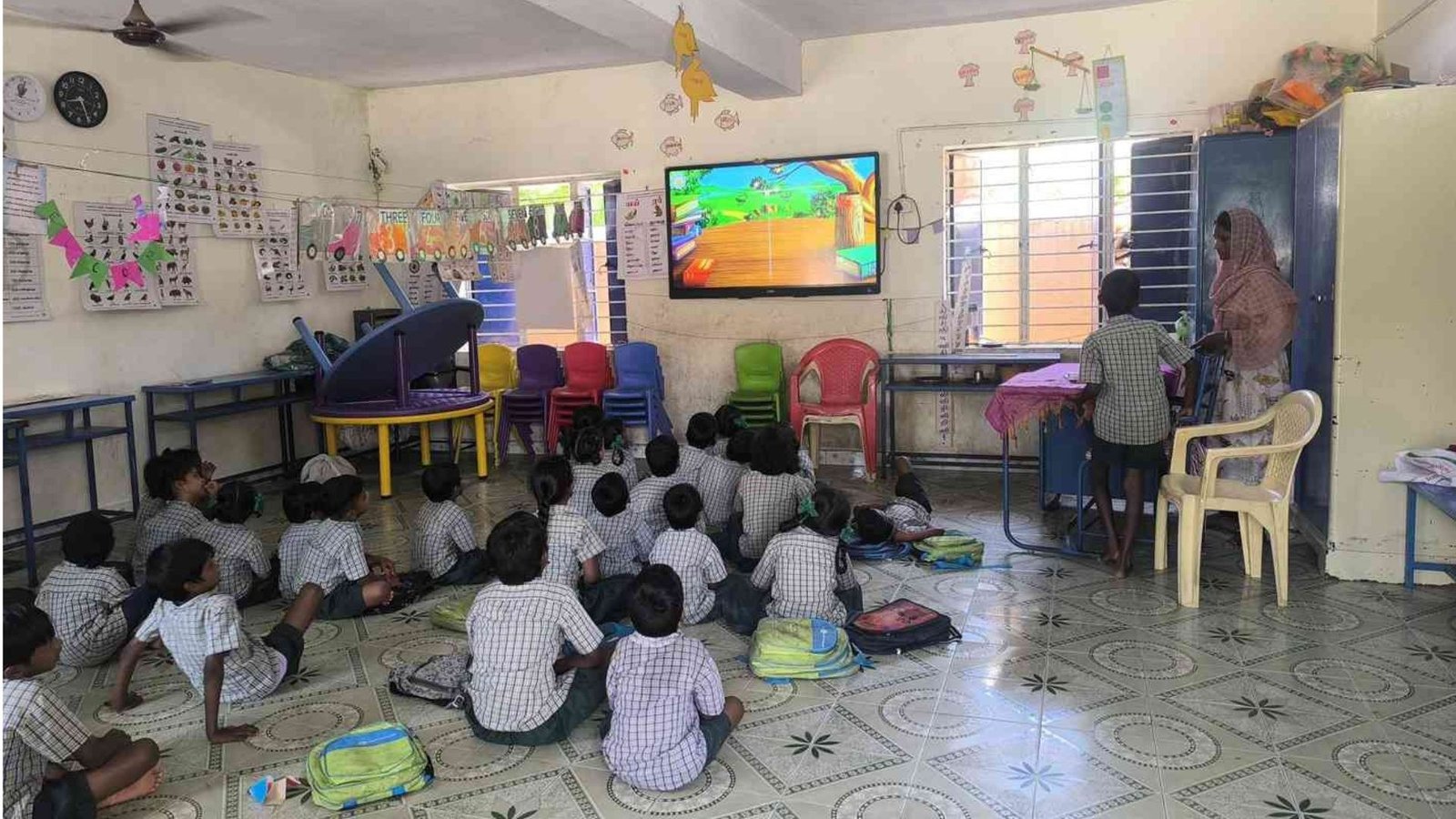
The growing preference for private schools in India is not always explained by differences in academic performance. Experiences of families in Tamil Nadu suggest that parental choices are also shaped by perceptions about teaching quality, English-language skills, individual attention and future employment opportunities.
For many low-income families, private education can involve a significant financial burden. Yet some parents continue to pay school fees because they believe private schools provide closer monitoring and better preparation for their children’s future.
Research presents a more nuanced picture. A Centre for Public Policy Research (CPPR) study on low-fee private schools in Tamil Nadu found that after accounting for socioeconomic and household factors, differences in learning outcomes between government and private schools become relatively small. The study also reported that government-school students performed better than private-school students in some Class 3 mathematics and language assessments.
The perception gap remains important. Parents may associate private schools with stronger English instruction, greater accountability and closer teacher-parent interaction, even when measured academic outcomes do not show a similar advantage.
Low-fee private schools have also become a significant part of Tamil Nadu’s education system. CPPR estimates that around 48% of students in the state attend private unaided institutions, many serving lower- and middle-income families.
Nationally, UDISE+ data for 2024-25 records more than 121 million students in government schools and about 96 million in recognised private unaided schools, alongside students in aided institutions and other categories.
The evidence suggests that school choice is influenced by more than test scores. Parents also weigh language, perceived attention, social expectations, affordability and hopes for their children’s future.