India’s upcoming Merchant Discount Rate (MDR) on certain UPI merchant payments has renewed discussion over whether the move could encourage greater use of the digital rupee. However, S&P Global’s Geeta Chugh said the impact on CBDC adoption could be modest, with UPI likely to remain the country’s key payments infrastructure.

From October 15, 2026, a 0.4% MDR is scheduled for specified UPI merchant transactions above ₹2,000. The Supreme Court has declined to stay the implementation while seeking clarity from the government, RBI and NPCI on the legal basis of the charge.
The digital rupee, meanwhile, has a different proposition. According to Chugh, its main advantage is not simply providing another way to make digital payments, but allowing money to become programmable. CBDC transactions can incorporate conditions governing how and when funds are used or released.
Potential applications include targeted lending, subsidies, welfare transfers and carbon-credit payments. The RBI has also highlighted programmability and smart-contract functionality as potential benefits of CBDC infrastructure.
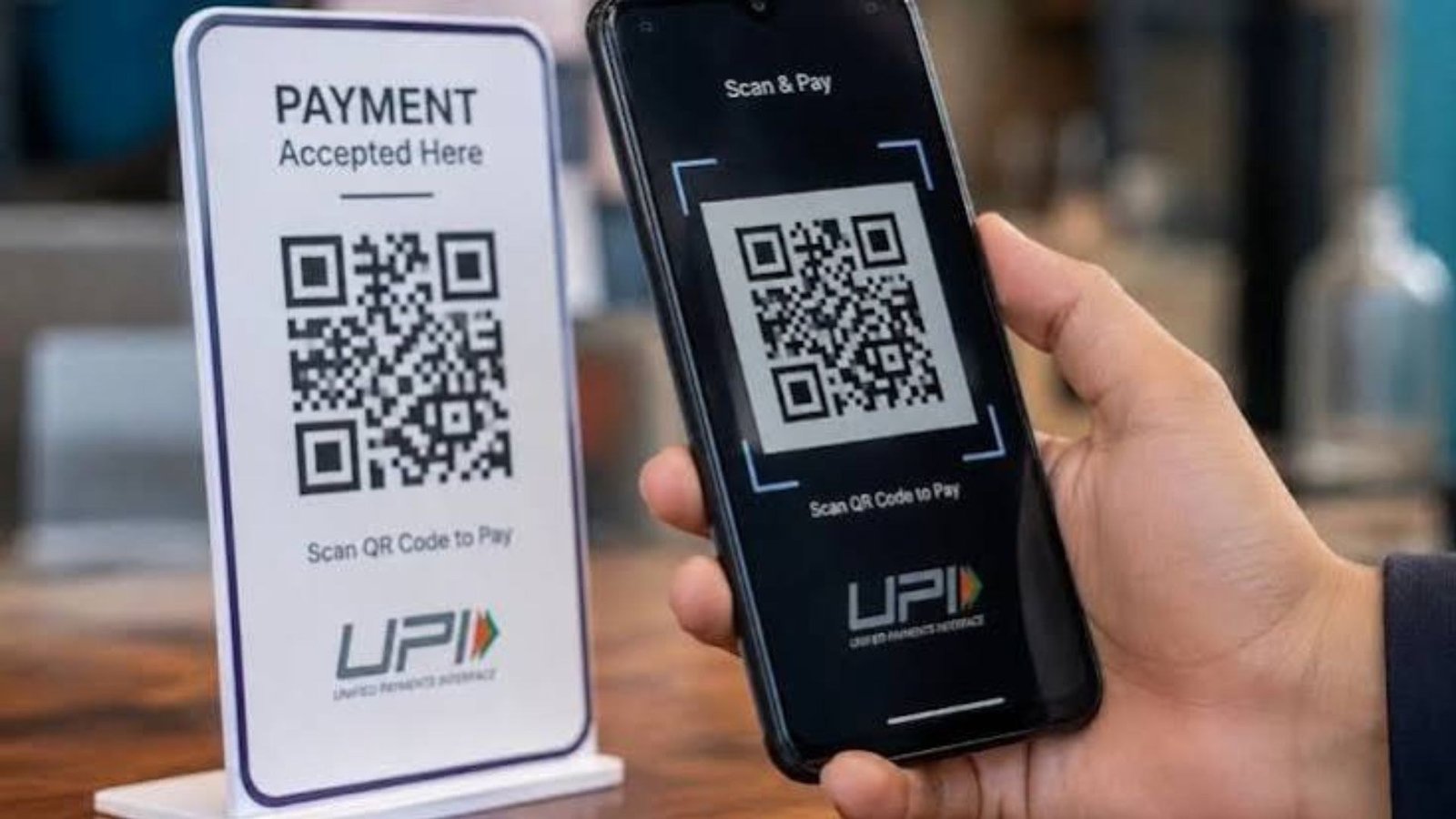
The digital rupee is already interoperable with UPI, allowing users to make CBDC payments through UPI QR codes. However, using CBDC can require transferring funds into a separate wallet, adding an extra step compared with the established UPI experience.
As a result, the future of the digital rupee may depend less on replacing UPI and more on whether its programmable features improve targeted government transfers, lending, settlements and other specialised financial use cases.