Despite legislative reforms and tougher punishments introduced since the 2012 Nirbhaya case, India continues to grapple with mounting rape case pendencies and alarmingly low conviction rates.

Recent incidents — including the gang rape of a 17‑year‑old girl at Astha Kunj Park in Delhi on September 21, and viral videos from Bihar’s Jamui and Samastipur showing harassment of minors — have reignited public anger over women’s safety and the sluggish pace of justice.
Data shows that while the number of rape cases has remained steady since 2018, pendency has sharply increased. Less than 2% of cases end in conviction within the same year as the trial begins, leaving survivors and families waiting years for closure.
Courts are burdened with backlogs, and despite fast‑track mechanisms, delays persist due to procedural hurdles, lack of resources, and systemic inefficiencies. Activists argue that the gap between legislative intent and ground reality undermines deterrence and emboldens offenders.
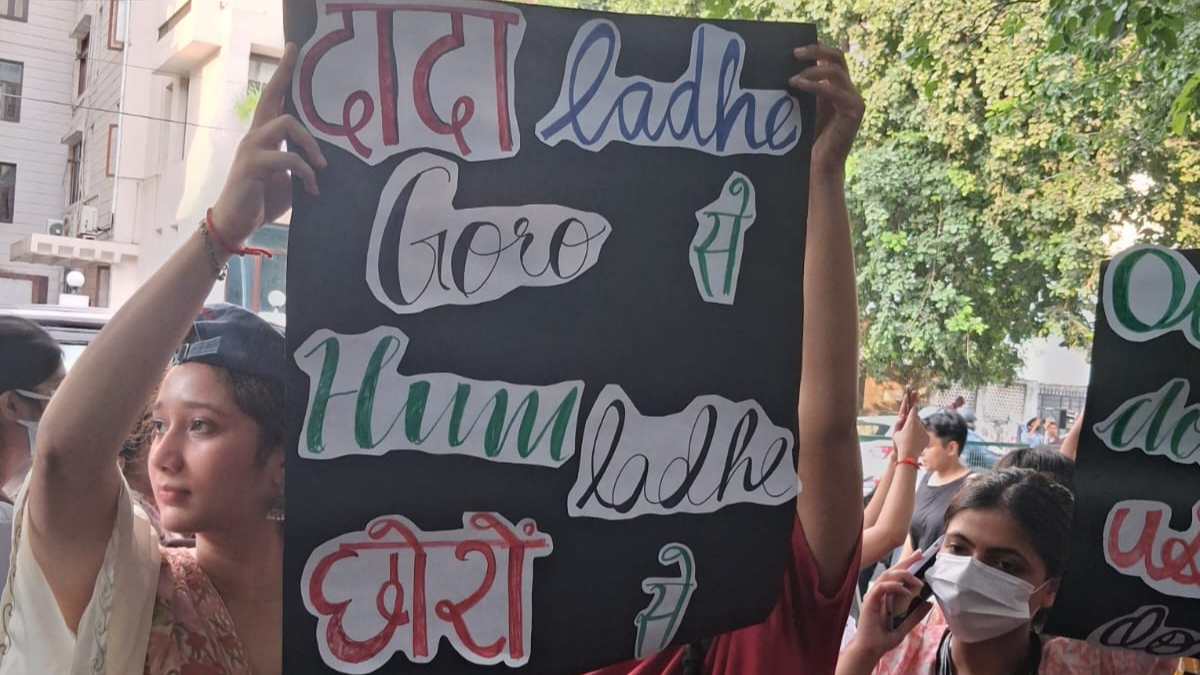
The growing pendency highlights the urgent need for judicial reforms, better policing, and stronger victim support systems. As protests and solidarity marches continue across the country, the demand for swift justice and safer public spaces for women grows louder.