Privacy concerns in India are increasingly extending beyond traditional surveillance, involving facial recognition, doxxing, deepfakes, electoral data and the handling of information by both government agencies and private companies.
In August 2026, the Supreme Court disposed of a public interest petition concerning doxxing and deepfakes, directing the Union government and other stakeholders to examine the concerns raised and take remedial measures in accordance with law. The petition had sought mechanisms to address threats, unauthorised disclosure of private information and harmful digitally manipulated content.
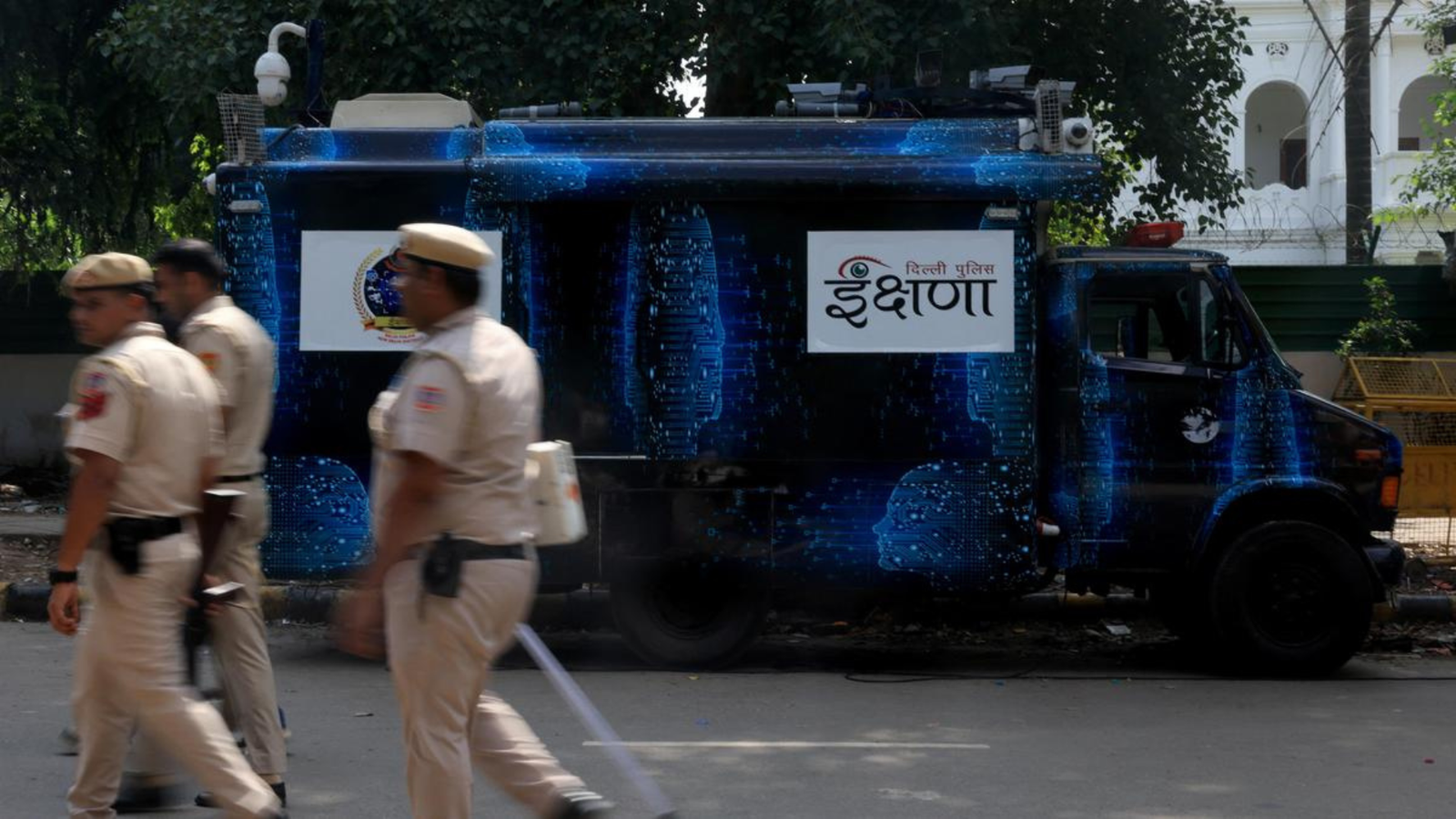
The issue of state surveillance has also come under legal scrutiny. A petition filed earlier in 2026 challenged the use of facial recognition and biometric surveillance during protests, raising questions about how individuals are identified and what safeguards apply to information collected through such systems.
Electoral processes add another dimension to the privacy debate. In May, the Supreme Court upheld the Election Commission’s authority to conduct the Special Intensive Revision of electoral rolls, holding that the exercise was within its legal and constitutional powers.
These developments highlight different points at which personal information can affect citizens — from being identified through surveillance technology to having private details circulated online or having electoral information examined during voter-list revisions.
The central issue is not surveillance alone, but accountability: who controls personal data, how it is used, what safeguards apply and what remedies are available when privacy, safety or access to democratic participation may be affected.