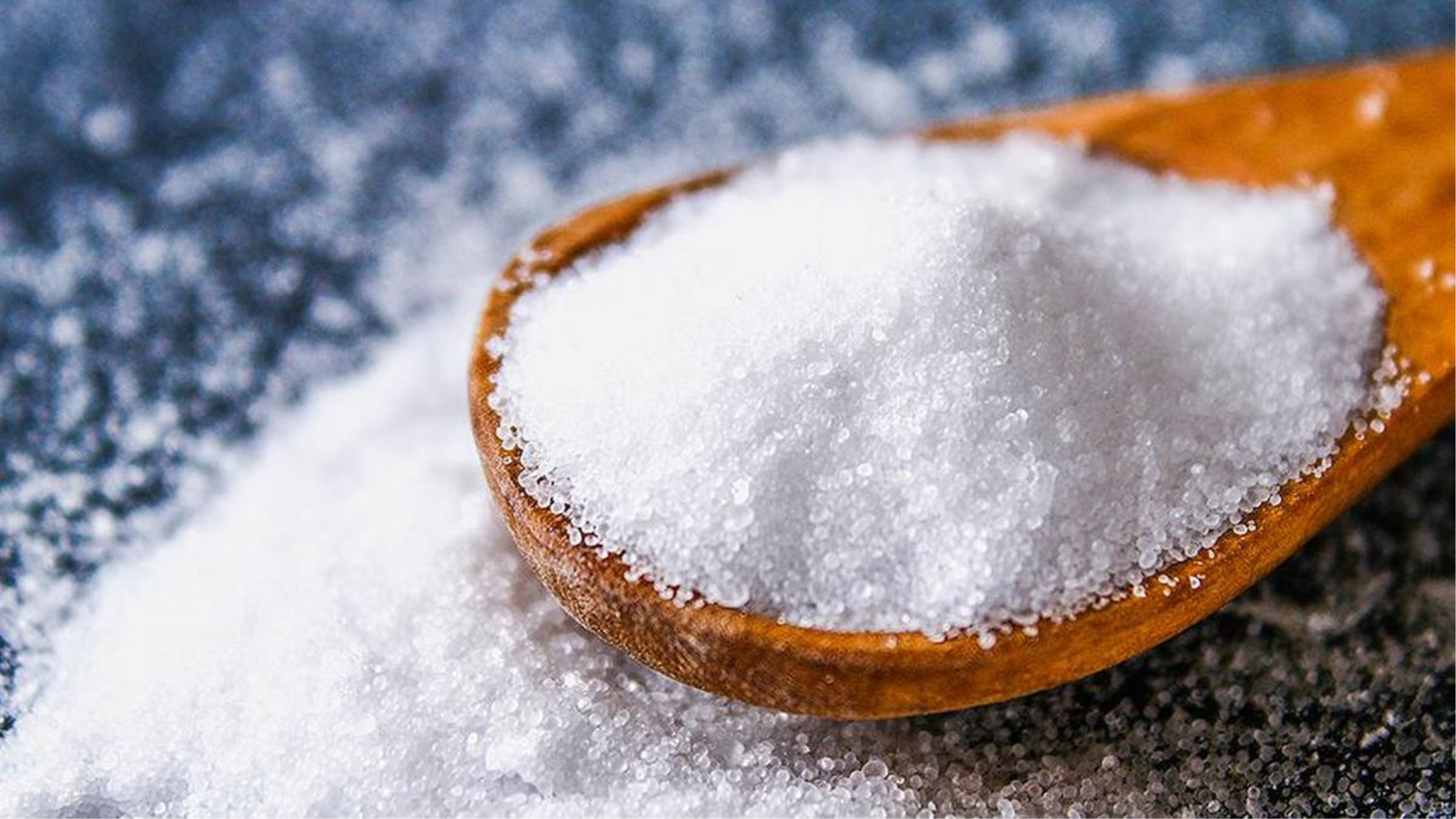
Karnataka has launched a state-level action plan aimed at reducing population salt intake by 30% by 2030 and promoting healthier dietary habits as part of efforts to prevent non-communicable diseases.
The Karnataka State Multisectoral Action Plan for Salt Reduction and Promotion of Healthy Dietary Habits focuses on reducing salt consumption across three key areas: households, food consumed outside the home, and processed and packaged foods.
The initiative also aims to encourage people to make healthier food choices and strengthen dietary counselling through the healthcare system. The approach involves multiple sectors and is intended to address dietary habits that can contribute to long-term health risks.
The state plan encourages progress towards the World Health Organization's recommendation that adults consume less than five grams of salt per day. Excessive salt consumption is associated with increased health risks, making population-level reduction a focus of public health programmes.
At the household level, the initiative is expected to promote awareness about the amount of salt used during cooking and at the dining table. The plan also addresses food prepared and served outside homes, where consumers may have less control over the quantity of salt used.
Processed and packaged foods form the third area of focus, with the action plan seeking greater attention to dietary choices and salt content in such products.
By setting a 30% reduction target for 2030, Karnataka is seeking coordinated action across different parts of the food system rather than relying only on individual behaviour.
The programme forms part of broader efforts to promote healthier diets and prevent non-communicable diseases through changes in food consumption and stronger health-system support.
Health
Karnataka Targets 30% Cut in Salt Intake by 2030
Karnataka has launched a plan to reduce population salt intake by 30% by 2030, targeting households, food outlets and processed food consumption.