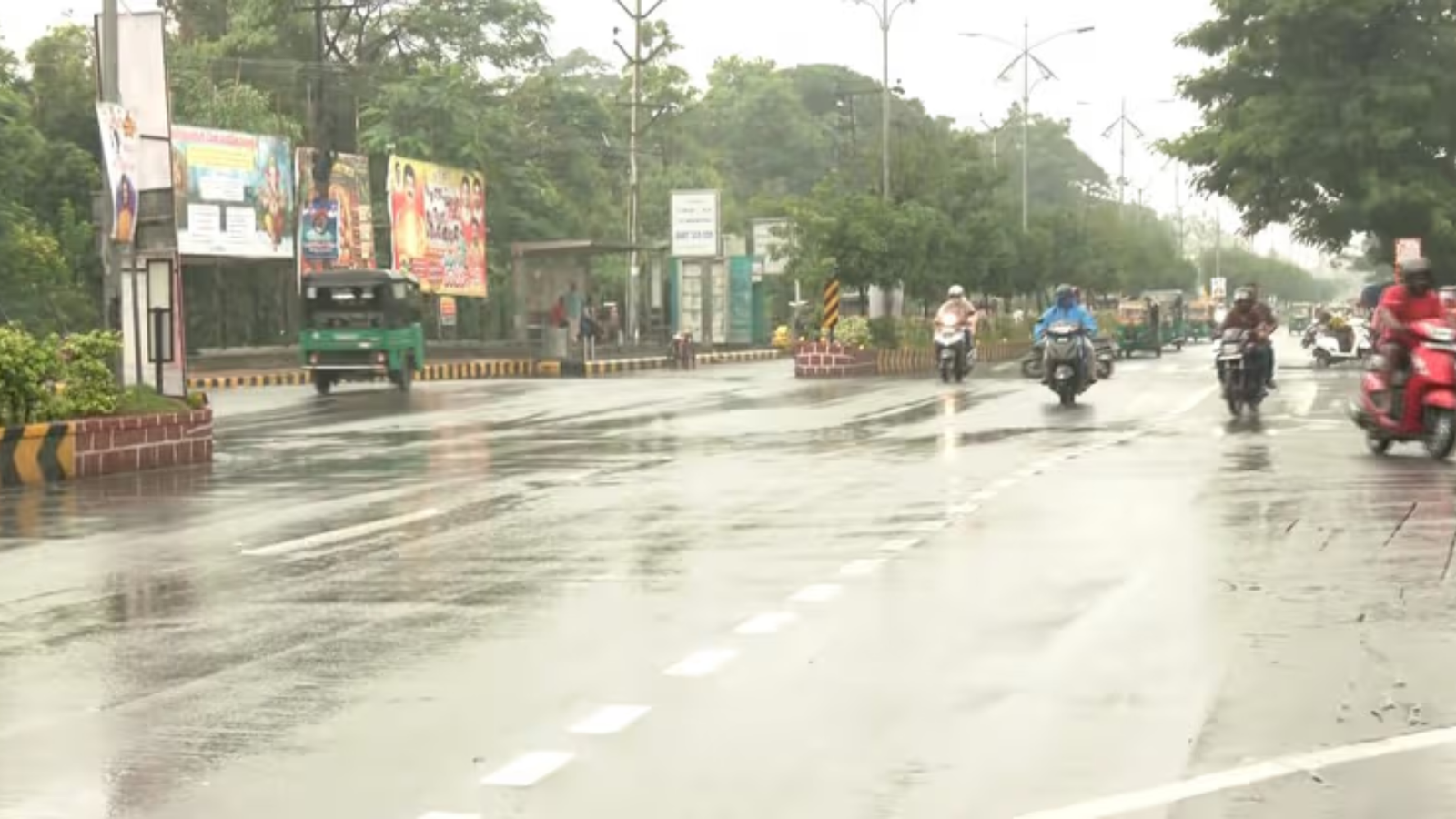
Parts of Andhra Pradesh are facing heightened rainfall and flash-flood risks as a deep depression over the Bay of Bengal moves towards the north Andhra Pradesh-south Odisha coast. The India Meteorological Department has warned of extremely heavy rainfall and strong winds over Coastal Andhra Pradesh on September 23 and 24.
Beyond flooding and waterlogging, contaminated floodwater can create serious health risks. It may contain sewage, human or animal waste, chemicals, germs and sharp debris, increasing the chances of stomach infections, skin problems and injuries.
People should avoid walking or driving through floodwater whenever possible. Moving water can be dangerous even when it appears shallow, while vehicles can lose control or be swept away. Residents should follow evacuation instructions and local alerts, particularly in vulnerable areas.
Drinking water needs special attention during floods. Flooding can contaminate wells and other water sources, so people should use bottled, boiled or appropriately treated water if the safety of their regular supply is uncertain. Unsafe water should also not be used for cooking, brushing teeth or preparing food.
If contact with floodwater occurs, wash exposed skin with clean water and soap. Cuts and open wounds should be cleaned, covered with waterproof dressings and kept away from contaminated water. Medical attention is advisable if a wound becomes red, swollen, painful or starts draining.
Families should also maintain hand hygiene, protect children from standing water and avoid consuming food that may have been contaminated. During and after flooding, following local authorities' instructions on evacuation, drinking water and sanitation can help reduce preventable illness and injury.
Health
Andhra Pradesh Flood Risk: Health Precautions to Follow
Andhra Pradesh faces heavy rain and flash-flood risks. Here are key precautions for safe drinking water, floodwater exposure, injuries and infections.