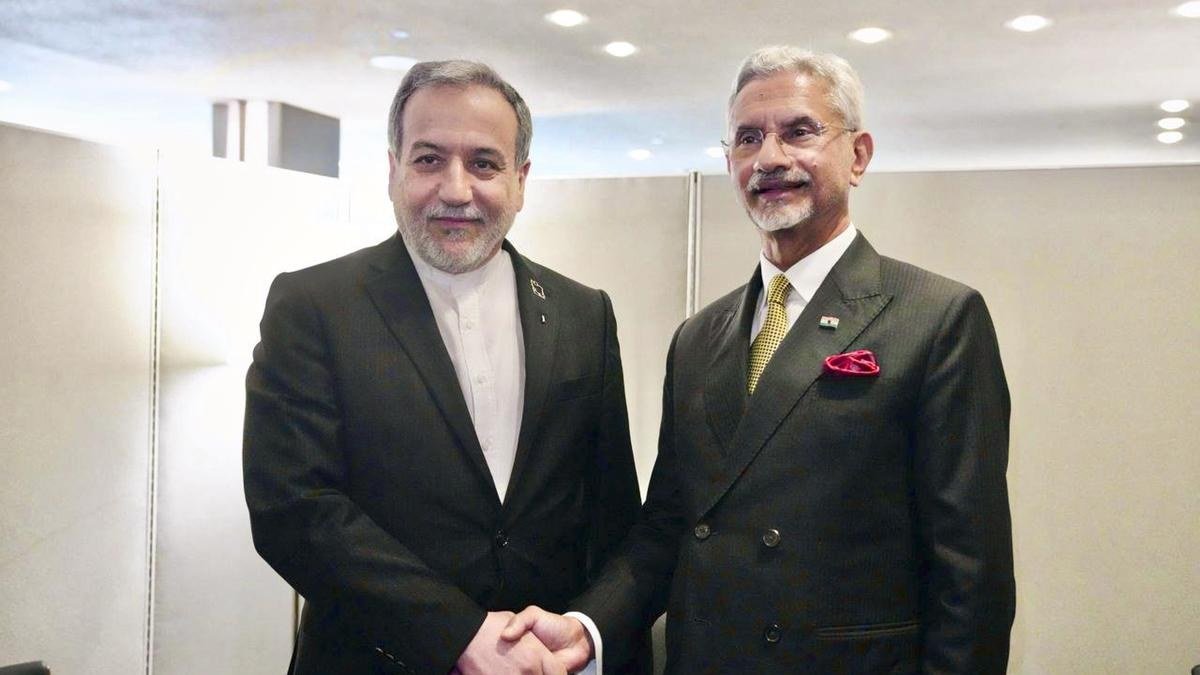
On the sidelines of the 81st United Nations General Assembly (UNGA), India’s External Affairs Minister S. Jaishankar held crucial meetings with his counterparts from Iran and Russia, focusing on bilateral ties, BRICS cooperation, and the ongoing Gulf conflict.
The discussions came just days after U.S. President Donald Trump signed a new sanctions law targeting countries that purchase oil and gas from Moscow and Tehran. Against this backdrop, Jaishankar’s engagements highlighted India’s balancing act in maintaining strategic partnerships while navigating global pressures.
With Iranian Foreign Minister Seyed Abbas Araghchi, Jaishankar reviewed energy cooperation, regional security, and India’s role in fostering dialogue amid escalating tensions in the Gulf. His meeting with Russian Foreign Minister Sergey Lavrov centred on strengthening bilateral relations, expanding defence and trade ties, and reinforcing collaboration within the BRICS grouping.
Diplomatic observers noted that India’s outreach to both Tehran and Moscow underscores its commitment to a multipolar world order, where New Delhi seeks to safeguard national interests while engaging constructively with diverse partners.
These meetings reaffirm India’s proactive diplomacy at the UNGA, positioning it as a bridge between competing global powers and a voice for stability in volatile regions.