India’s energy security faces fresh uncertainty after the US House of Representatives passed legislation granting President Donald Trump sweeping powers to impose sanctions on Russia and levy tariffs of up to 100% on countries purchasing Russian oil and gas.
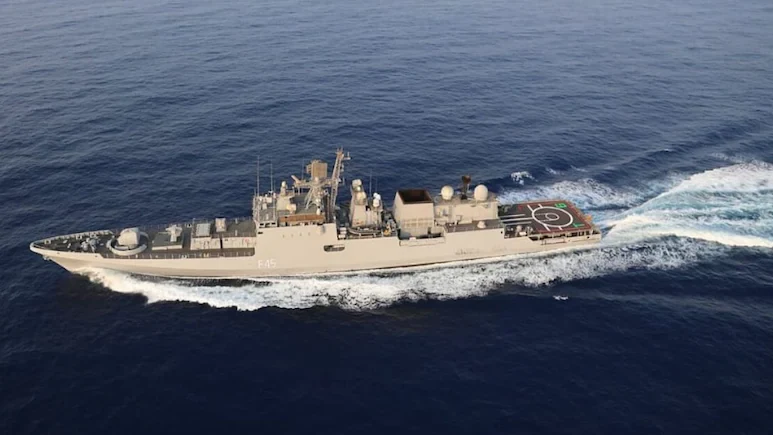
The move directly impacts India, which has become one of the largest buyers of Russian crude since the Ukraine war disrupted global energy markets. Between December 2022 and August 2026, India accounted for 37% of Russia’s crude exports, second only to China, according to the Centre for Research on Energy and Clean Air (CREA).
In fiscal 2026, Russia supplied 30.3% of India’s crude imports, worth $40.8 billion out of a total import bill of $134.7 billion. In July alone, Russian oil made up more than half of India’s imports, far outstripping supplies from the UAE, Saudi Arabia, Venezuela, Brazil, Oman, and the US combined.
Critics in India warn the bill is a blunt instrument. Ajay Srivastava of the Global Trade Research Initiative (GTRI) said, “India buys Russian oil to secure affordable energy for 1.4 billion people, not to finance war. These purchases have helped stabilise global supplies and prices.”
The economics of Russian oil have already shifted, with discounts narrowing and risks around shipping, insurance, and sanctions rising. US lawmakers have signaled impatience, with Senator Richard Blumenthal bluntly telling reporters: “China and India, you better buy your oil and gas somewhere else.”
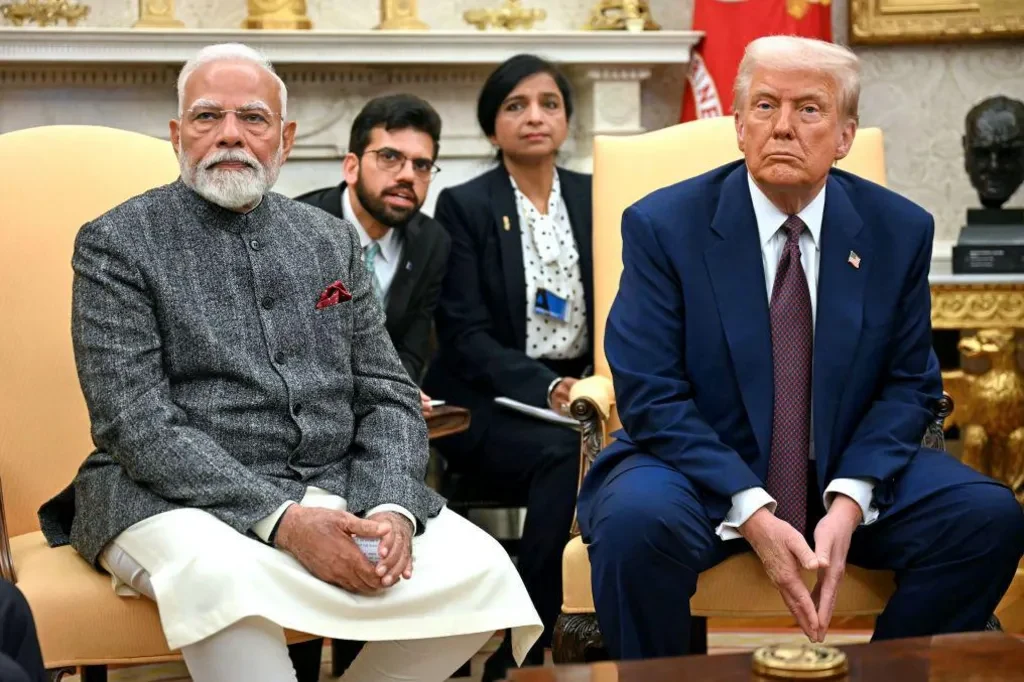
India’s Ministry of External Affairs responded cautiously, saying it was “monitoring developments” and remained committed to ensuring energy security. Officials stressed that the issue has been raised at high levels with Washington, warning of potential consequences for both bilateral relations and global energy markets.
Analysts note that while India can diversify supplies, alternatives will come at a cost. S&P Global estimates higher crude, freight, and insurance expenses, alongside longer shipping routes, could significantly raise India’s import bill.
The tariff threat underscores the geopolitical tightrope India faces — balancing affordable energy needs with mounting pressure from Washington to reduce dependence on Russian oil.