Fiji has declared a national HIV emergency following a sharp increase in infections across the Pacific island nation. Health authorities estimate that about one in 60 adults is now living with HIV.
The government said the rise in reported cases is partly linked to expanded testing, which is helping identify infections that may previously have gone undiagnosed. At the same time, officials are concerned about continued transmission through sexual contact and illicit drug use.
According to UNAIDS, new HIV infections in Fiji have increased about 12-fold over the past 15 years, highlighting the scale of the country’s growing public health challenge.
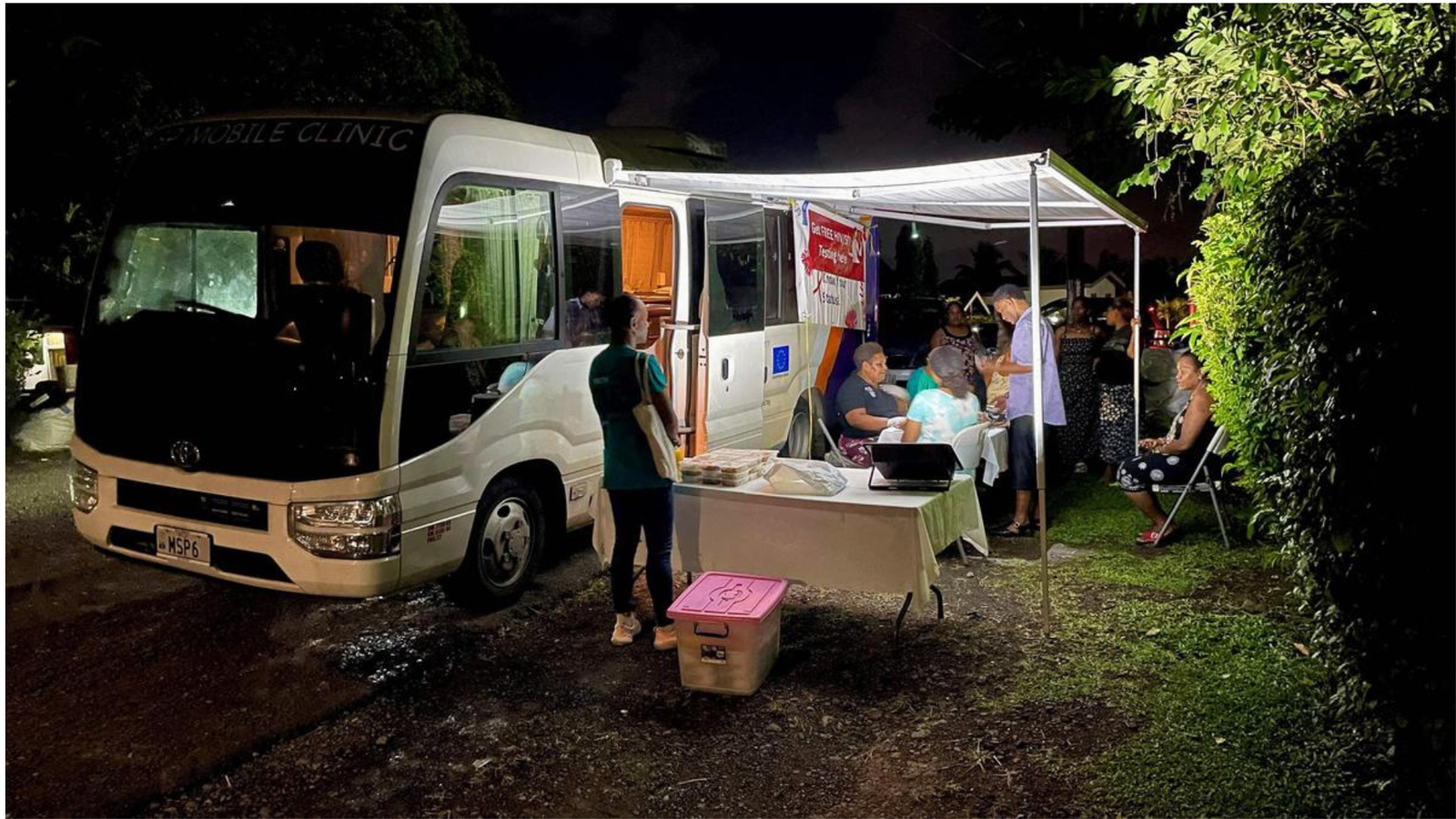
As part of its emergency response, Fiji plans to expand access to free HIV testing and treatment. People who test positive will be offered free medical care to help manage the infection and reduce the risk of further transmission.
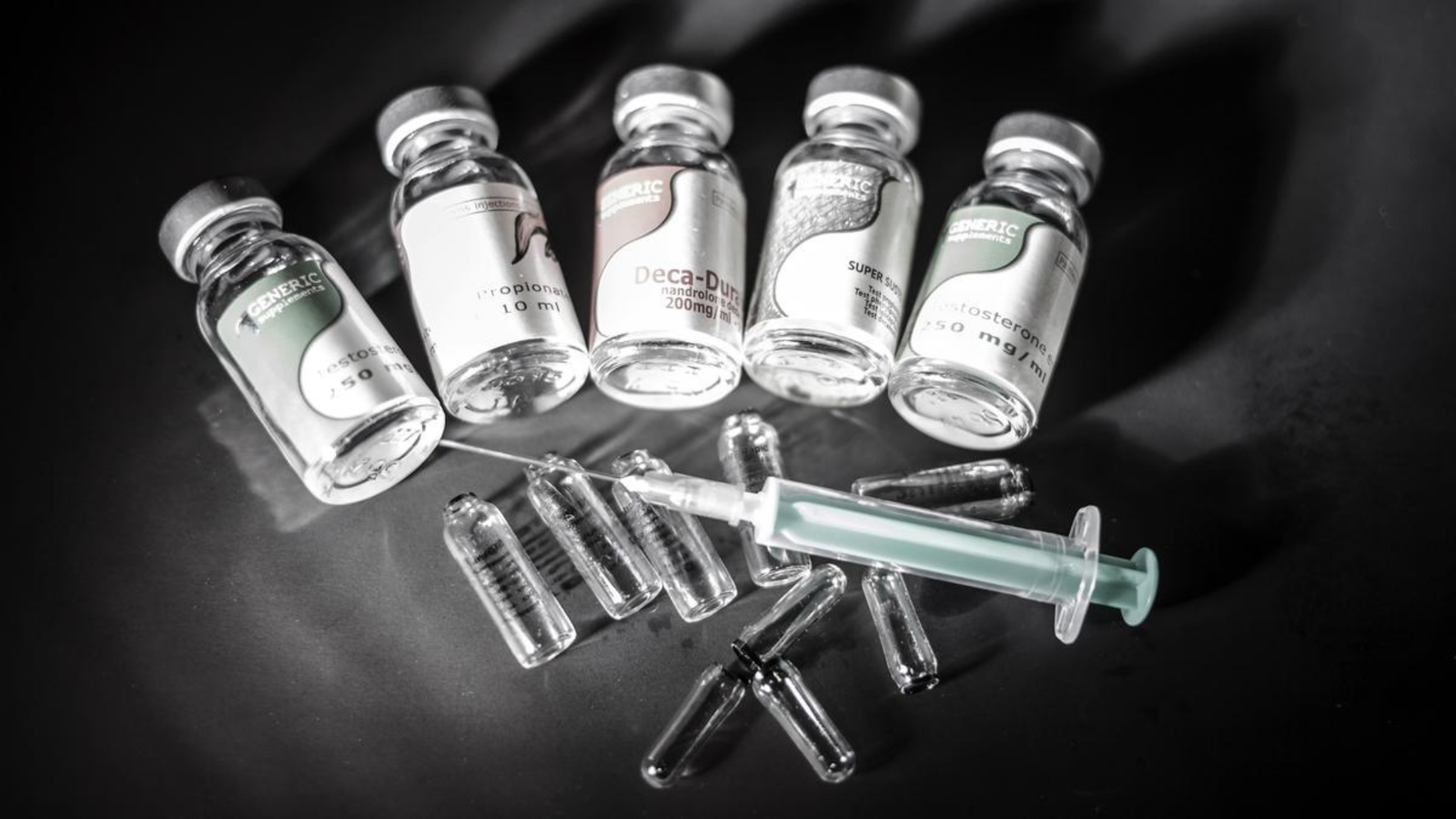
The government also plans to provide clean needles to people who use drugs. The measure is intended to reduce the risk of HIV spreading through the sharing of contaminated injecting equipment.
Health Minister Atonio Lalabalavu formally announced the national emergency on September 17, 2026, as authorities stepped up efforts to respond to the outbreak.
Officials say wider testing is an important part of the response because identifying infections earlier can help people begin treatment and access appropriate healthcare.
The government’s expanded measures are aimed at improving early diagnosis, preventing new infections and ensuring people living with HIV receive timely treatment.
Health
Fiji Declares National HIV Emergency as Cases Surge
Fiji declares a national HIV emergency as infections surge, expanding free testing, treatment and clean needle access to tackle rising cases.