Rules governing the sale of prescription medicines may not always be followed at neighbourhood medical stores, according to findings from a nationwide consumer survey.
The survey comes as the Union Ministry of Health and Family Welfare has proposed installing CCTV cameras at medical stores to make the sale of prescription medicines more traceable.
The survey, conducted by LocalCircles, received around 1.06 lakh responses from consumers across 327 districts in India. The respondents included 63% men and 37% women.
Around 52% of respondents were from tier-1 districts, while 29% were from tier-2 districts. Another 29% were from tier-3, tier-4 and tier-5 districts.
The findings focus on consumers’ experiences with purchasing medicines and whether prescription requirements are consistently enforced at local medical stores.
Under India’s drug regulations, certain medicines are required to be sold only against a valid prescription. Ensuring compliance is intended to reduce inappropriate access to medicines that require medical supervision.
The proposed CCTV monitoring system is aimed at improving traceability of prescription-drug sales and strengthening enforcement at retail medical stores.
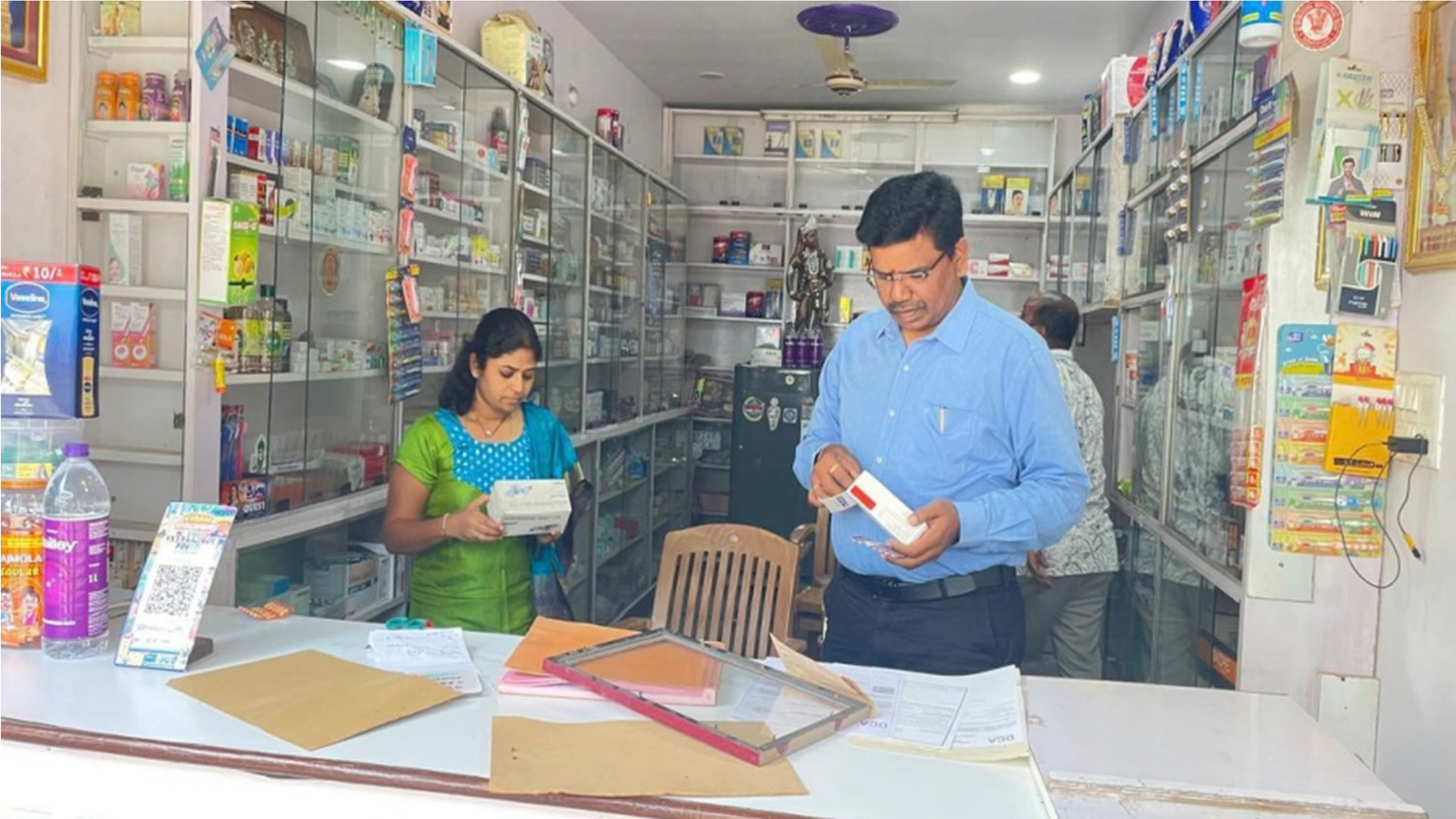
The issue has also drawn attention from state-level authorities. In Telangana, officials have conducted inspections as part of efforts to curb the illegal sale of prescription medicines.
The survey highlights a gap between regulatory requirements and reported consumer experiences at some neighbourhood pharmacies. However, survey responses reflect consumer-reported experiences and should not be interpreted as evidence that all medical stores fail to follow prescription rules.
Health
Prescription Rules at Medical Stores: What Consumers Report
A nationwide survey finds many consumers report buying prescription medicines without prescriptions as India considers tighter monitoring of medical stores.