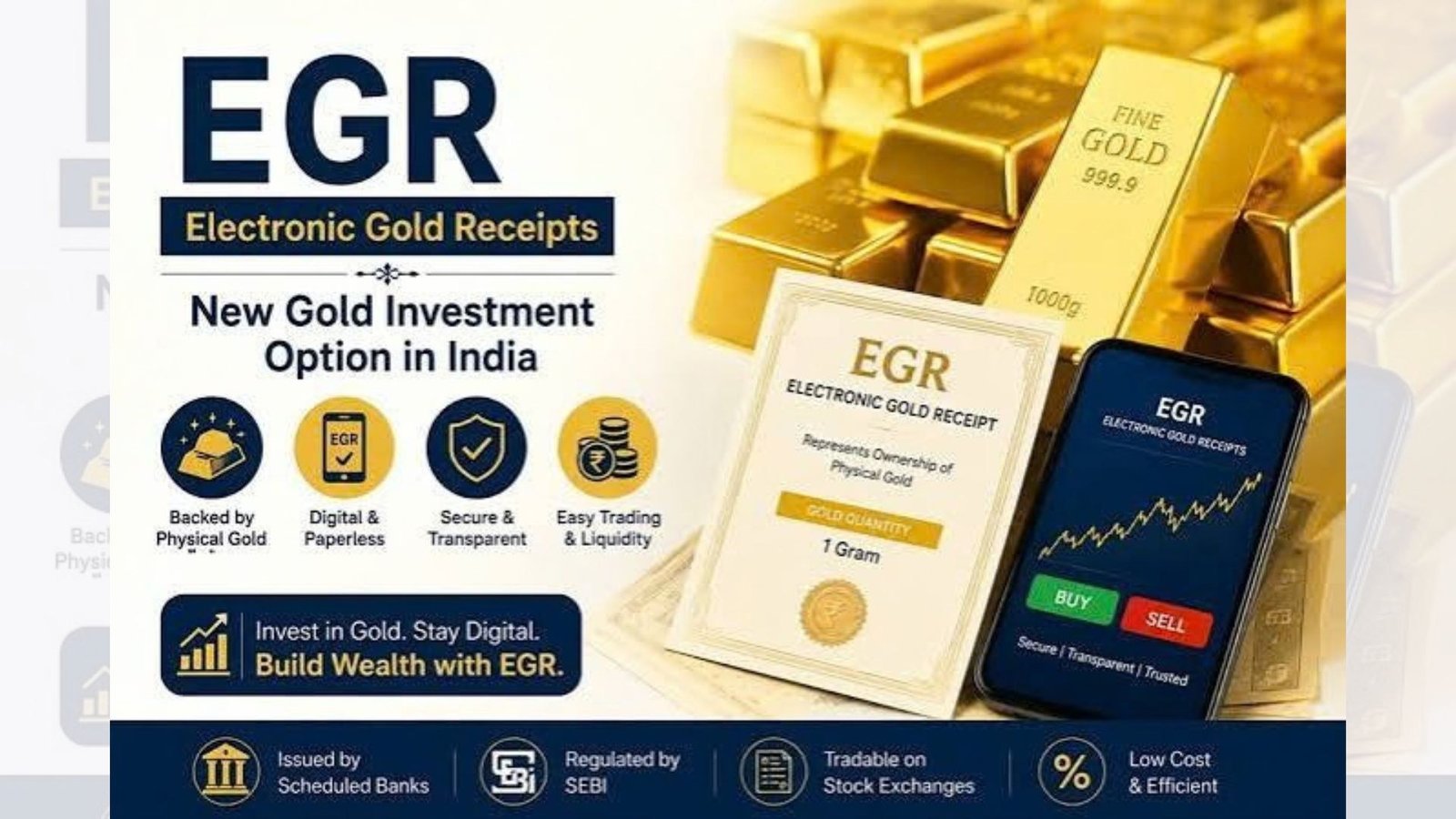
Gold remains a popular investment in India, but Electronic Gold Receipts (EGRs) have struggled to attract the same level of investor interest. EGRs are designed to provide exchange-traded ownership of physical gold, yet adoption has remained limited.

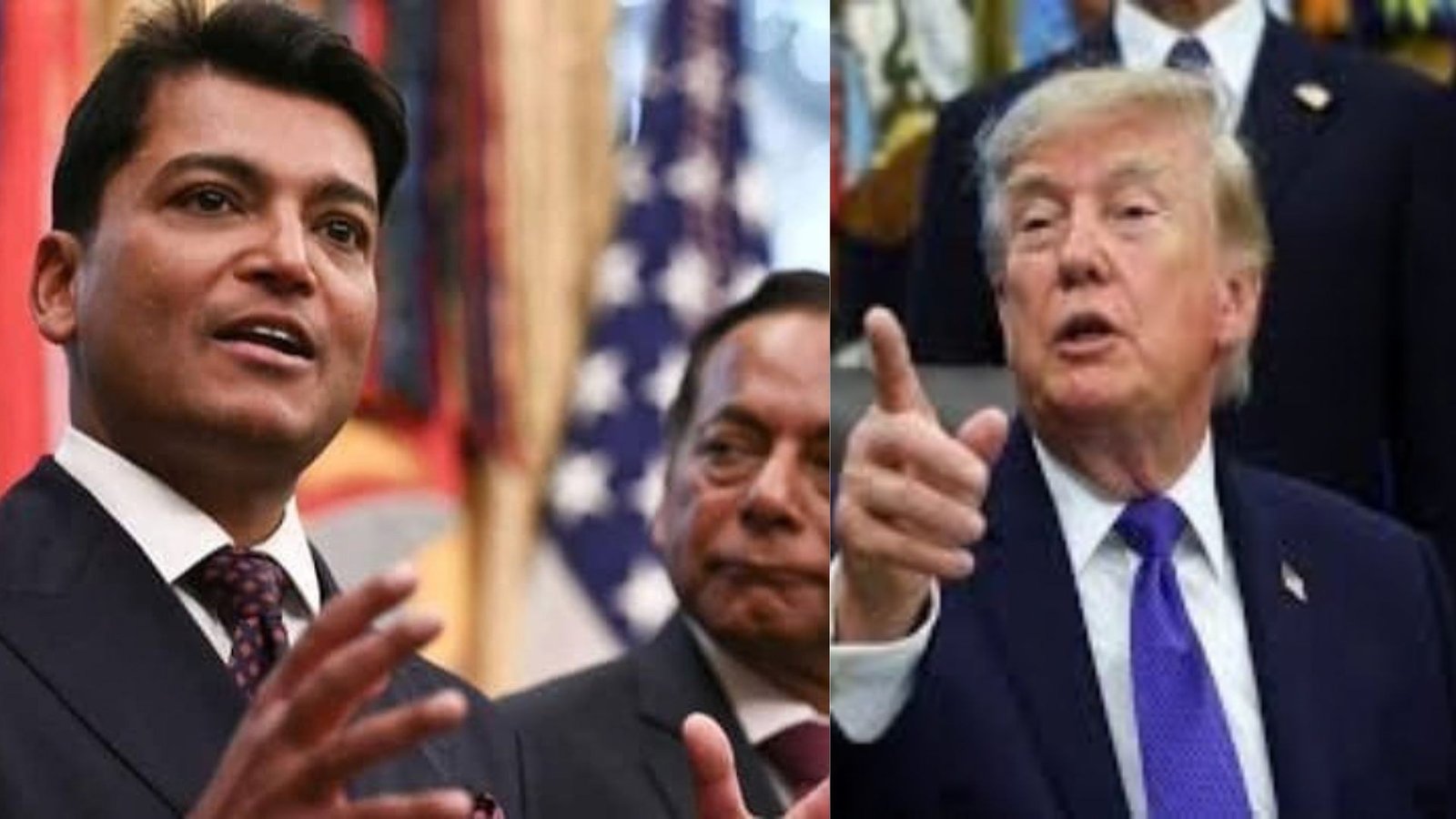
SEBI Chairman Tuhin Kanta Pandey recently noted that EGRs have not gained traction as expected, while gold ETFs have seen stronger adoption. Market participants point to several factors behind the slower growth, including low trading volumes, wider bid-ask spreads, limited market-making activity and a lack of investor familiarity.
Liquidity remains a major challenge. Daily EGR trading volumes on the NSE and BSE are generally below ₹1 crore to a few crore rupees, significantly lower than activity in gold ETFs and futures. This can make it harder for investors to exit positions quickly, particularly when dealing with larger transactions.
Taxation also adds to the friction. While exchange-based EGR trading is GST-free, converting an EGR into physical gold attracts 3% GST at the time of redemption. The conversion process can also involve brokers and vault managers, adding time and costs.
Investors who convert physical gold into EGRs must take the metal to a SEBI-registered vault manager for purity assessment and electronic conversion. The limited network of approved vault managers can further add inconvenience.
For EGRs to gain wider acceptance, market participants have highlighted the need for better liquidity, stronger physical redemption infrastructure and a simpler investor experience. Until then, physical gold and gold ETFs continue to benefit from greater familiarity among Indian investors.