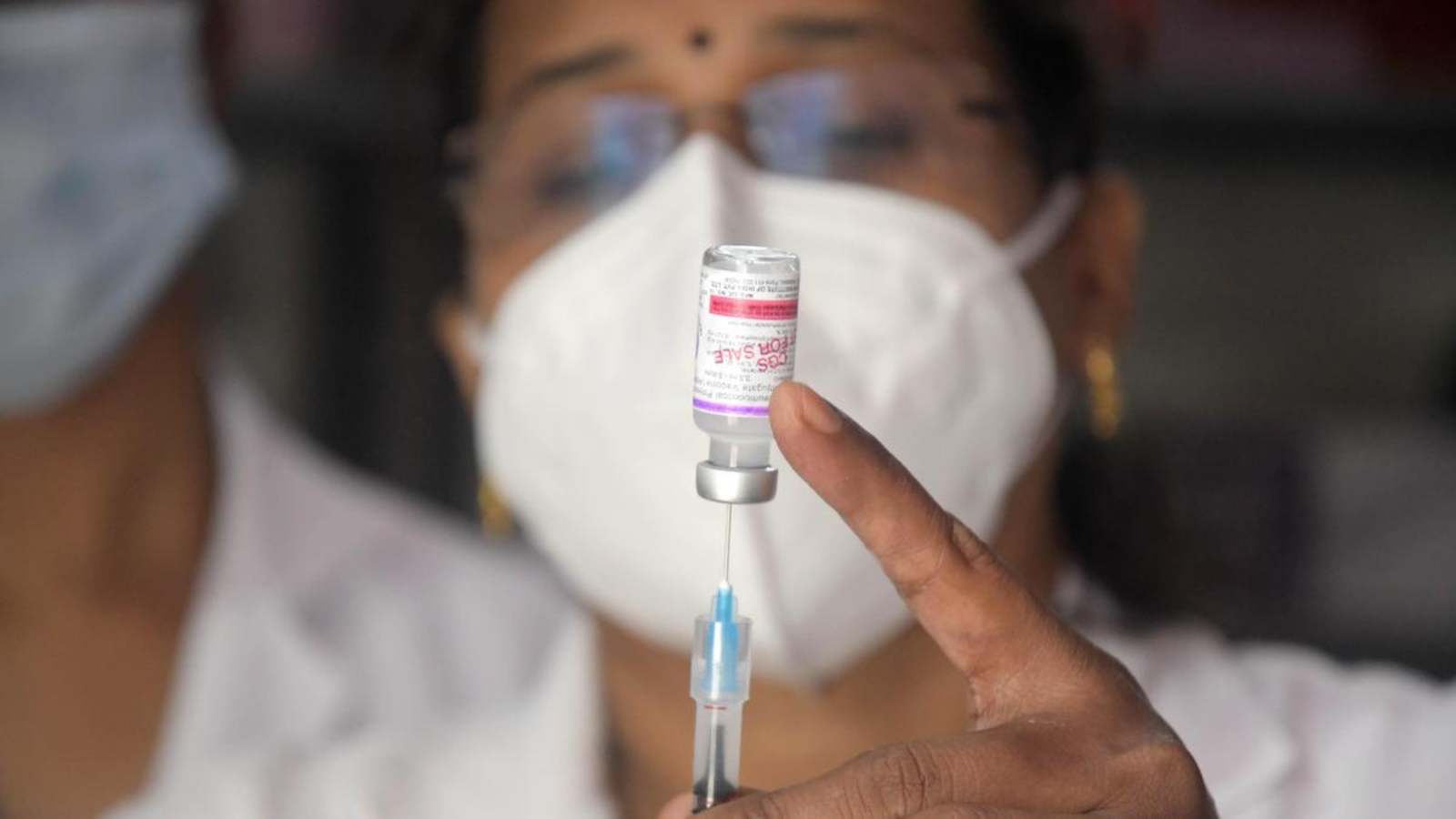
As winter approaches, Delhi’s poor air quality and seasonal infections can increase health risks for older adults, particularly those living with conditions such as diabetes, chronic obstructive pulmonary disease, heart disease or weakened immunity.
Respiratory infections can become more serious in older people and may develop into bacterial pneumonia, sometimes requiring hospitalisation. The financial impact can also be significant, with industry estimates putting the average hospital stay at around ₹50,000, while intensive care can cost about ₹1 lakh.
India has made progress in preventing pneumonia among children through vaccination. The pneumococcal conjugate vaccine (PCV) was introduced into the Universal Immunisation Programme in 2017, while Mission Indradhanush has supported wider immunisation coverage.
Infants receive a free three-dose PCV schedule under the national programme. According to WHO and UNICEF estimates cited in the report, India’s infant vaccination coverage had reached 83% by 2023.
Protection among older adults, however, remains much lower. Data from the National Sample Survey Office’s 80th Round on Health reportedly shows that only 0.40% of people aged 60 and above had received vaccinations.
The gap is particularly relevant as older adults are more vulnerable to serious complications from respiratory infections. Vaccination is one preventive measure that can help reduce the risk of certain vaccine-preventable diseases, although protection depends on the specific vaccine, individual health conditions and medical advice.
The contrast between high childhood vaccination coverage and very low reported vaccination among older adults highlights a wider challenge in adult immunisation, especially ahead of Delhi’s winter respiratory disease season.