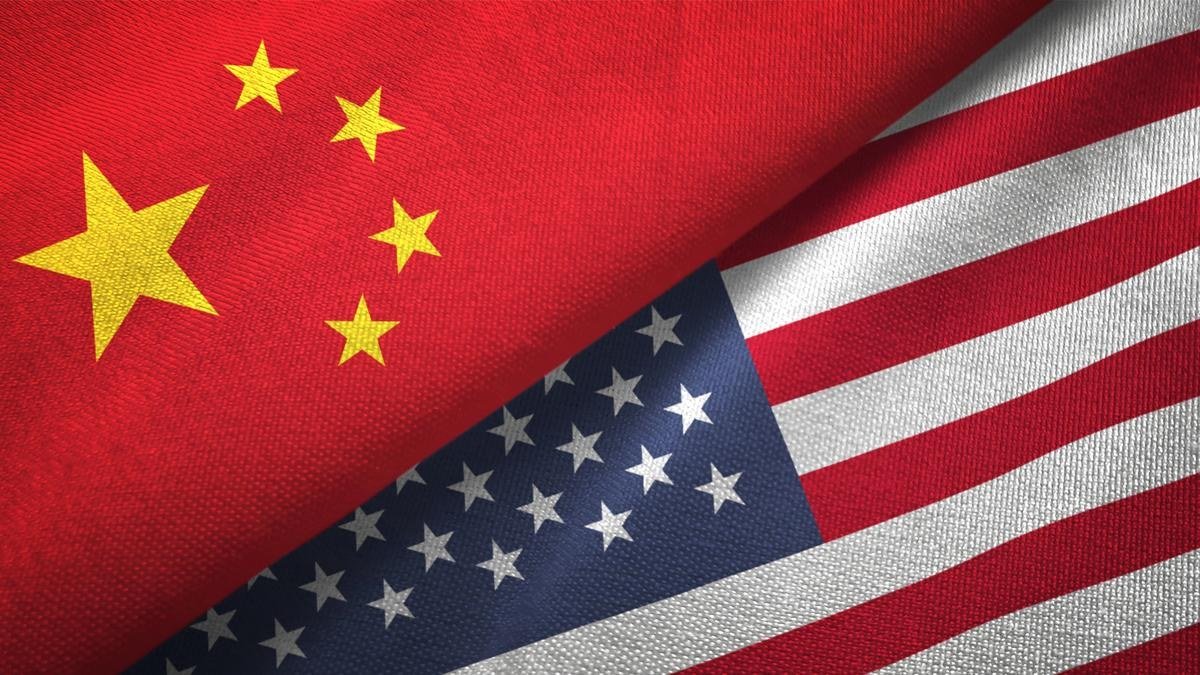
China announced tariff reductions on a wide range of U.S. agricultural imports, including corn, wheat, meat, and dairy, but notably excluded soybeans, its largest farm import from America.

The decision, revealed by China’s Commerce Ministry, comes just days after the high‑profile Washington summit between President Xi Jinping and U.S. President Donald Trump. Markets had been eagerly awaiting signals of easing trade tensions, particularly in the farm sector, which has been hit hard by years of tariff battles.
Soybeans, a critical commodity in China’s food and livestock industry, remain subject to existing tariffs, reflecting Beijing’s cautious stance amid ongoing negotiations. Analysts say the exclusion underscores China’s intent to maintain leverage in trade talks while offering partial relief to U.S. farmers.
The tariff cuts are expected to boost imports of other American farm goods, potentially stabilising prices and improving supply chains. However, the absence of soybeans from the list leaves uncertainty for U.S. exporters who rely heavily on the Chinese market.
For global markets, the move signals progress but also highlights the complexities of U.S.–China trade relations. While the summit produced gestures of cooperation, the soybean exclusion shows that deeper disputes remain unresolved.