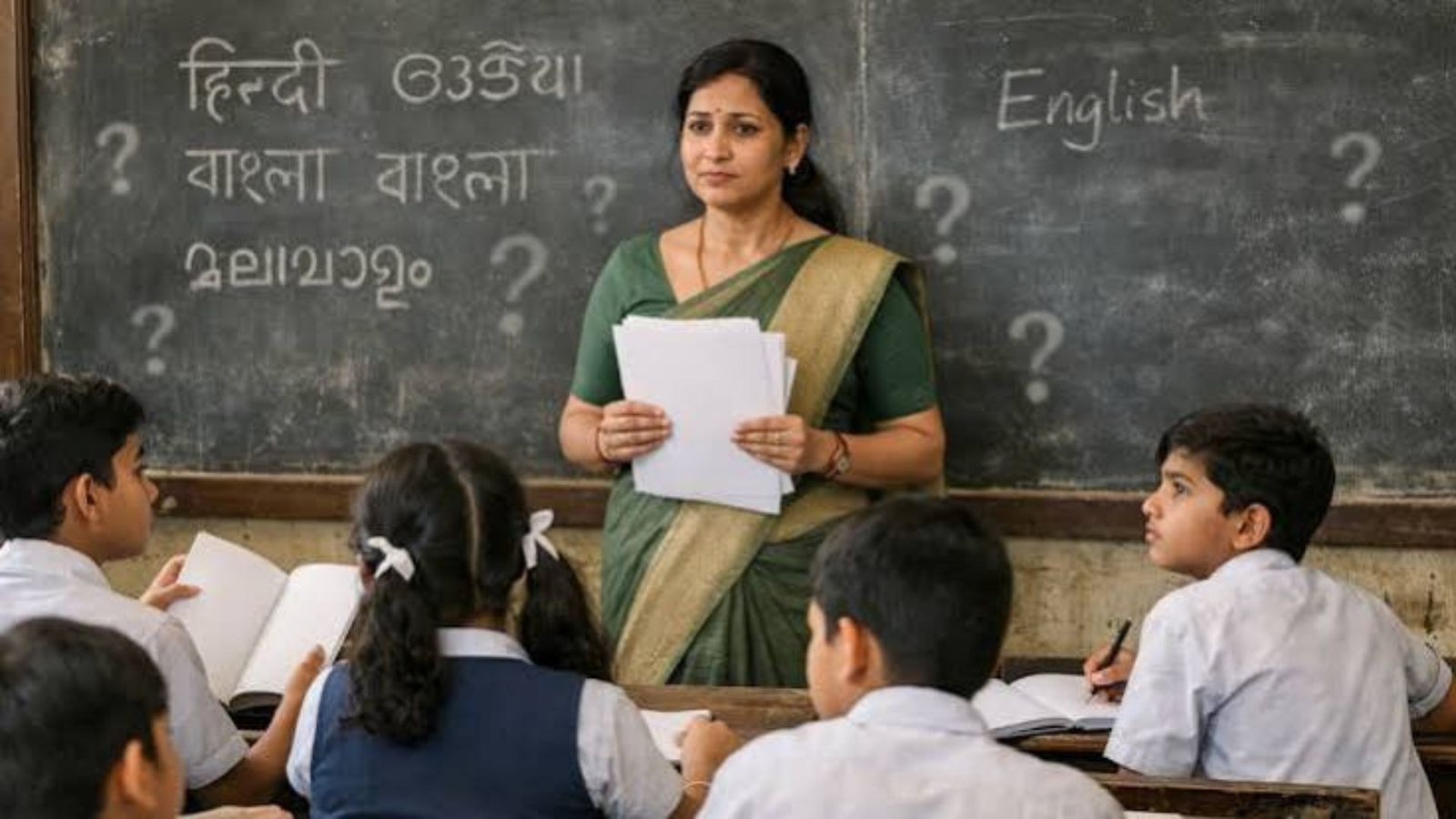
The implementation of the three-language policy under the National Education Policy (NEP) 2020 is creating practical challenges for CBSE-affiliated schools as the new academic framework takes effect. From the 2026-27 session, students entering Class 6 are required to follow the revised language structure, increasing the number of choices schools need to manage.
CBSE issued guidelines on the three-language policy on June 29, 2026. The Board’s framework provides for multiple Indian languages, but the actual options available to students can depend heavily on a school’s teachers, infrastructure and local circumstances.
The gap between the broad range of languages envisioned by the policy and the languages schools can practically offer is one of the key implementation issues. Recruiting qualified teachers for less commonly offered languages and arranging suitable learning resources can be difficult, particularly for schools with limited staff.
CBSE documents also show that the Board has been expanding its language offerings. Four languages — Konkani, Dogri, Maithili and Santhali — were approved for introduction as electives in the CBSE scheme of studies from Class IX in 2026-27.
The policy is intended to strengthen multilingual education and provide students with exposure to Indian languages. However, its implementation requires schools to balance policy requirements with available teachers, textbooks and student demand.
For parents and students, the practical question may therefore be not only which languages the policy permits, but which languages their particular school can realistically provide.
As CBSE schools begin implementing the revised framework, the availability of teachers, learning materials and language combinations will remain important factors in determining how smoothly the three-language structure works in practice.