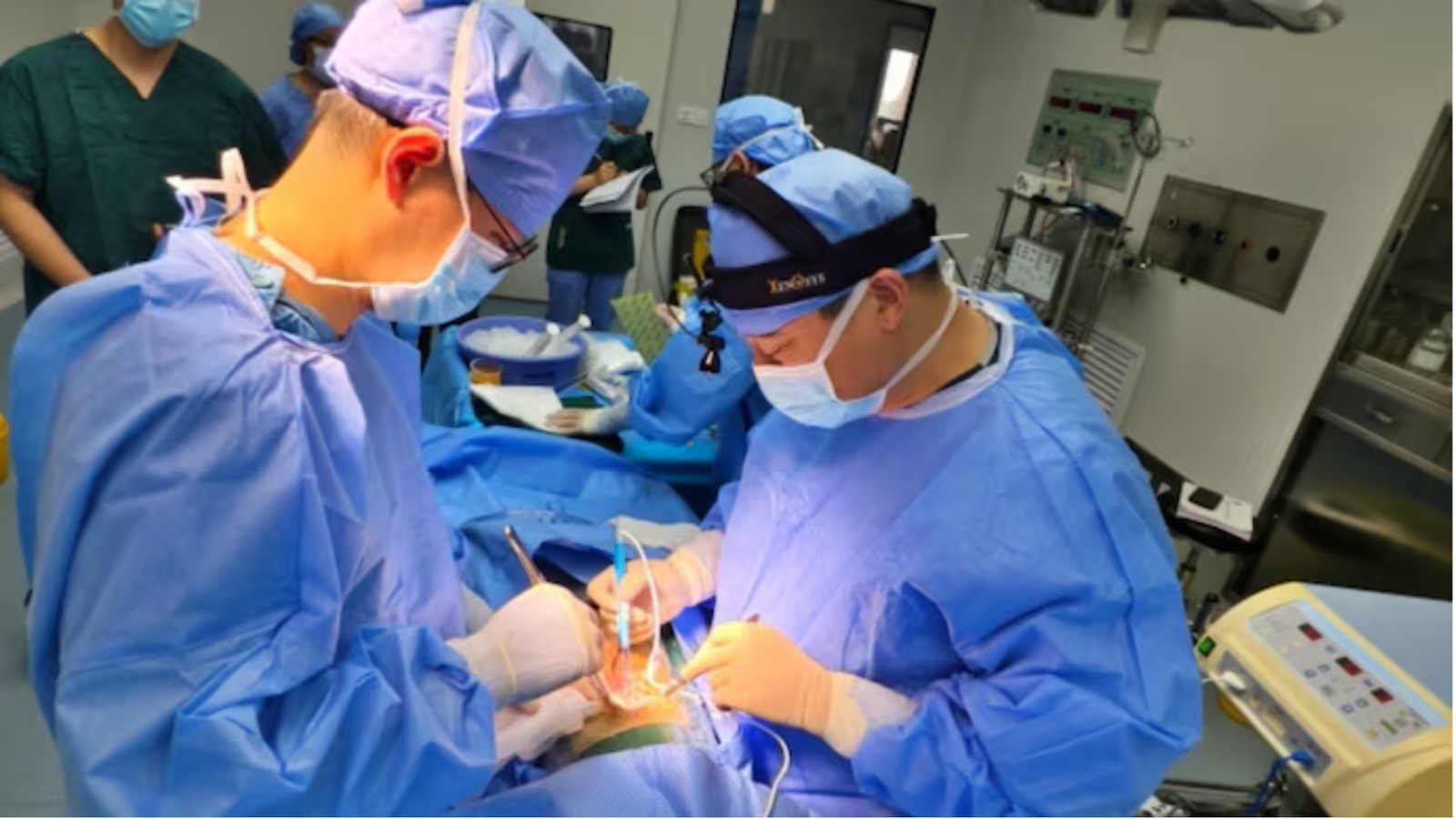
India is stepping up its focus on xenotransplantation, an emerging field involving the transplantation of organs, tissues or cells between different species. Sir Ganga Ram Hospital in Delhi has established a dedicated Department of Xenotransplantation Sciences as research into genetically modified pig organs advances globally.
The development follows a US case in which a genetically engineered pig kidney functioned in a living patient for 271 days before the recipient later received a human kidney. The case has added to research interest in whether gene-edited animal organs could eventually help address the shortage of human donor organs.
The immediate focus of xenotransplantation research is largely on kidneys, although scientists are also studying genetically modified pig hearts, livers and other organs. Gene editing techniques are being used to reduce immune reactions and address other biological barriers that have historically made animal-to-human transplantation difficult.
India faces a substantial demand for transplant organs. Government data showed that 89,839 people were on the national transplant waiting list as of March 3, 2026, while 20,019 organ transplants were performed in 2025.
The Union health ministry is also working towards developing guidelines for xenotransplantation, according to the reported developments. Any future clinical use would require safeguards covering patient selection, clinical trials, infection risks, long-term monitoring, immunosuppression and animal welfare.
Despite the recent advances, pig-to-human transplantation remains experimental. Questions around organ durability, rejection, infection, safety and cost still need to be addressed before the technology can become an established alternative to human organ donation.