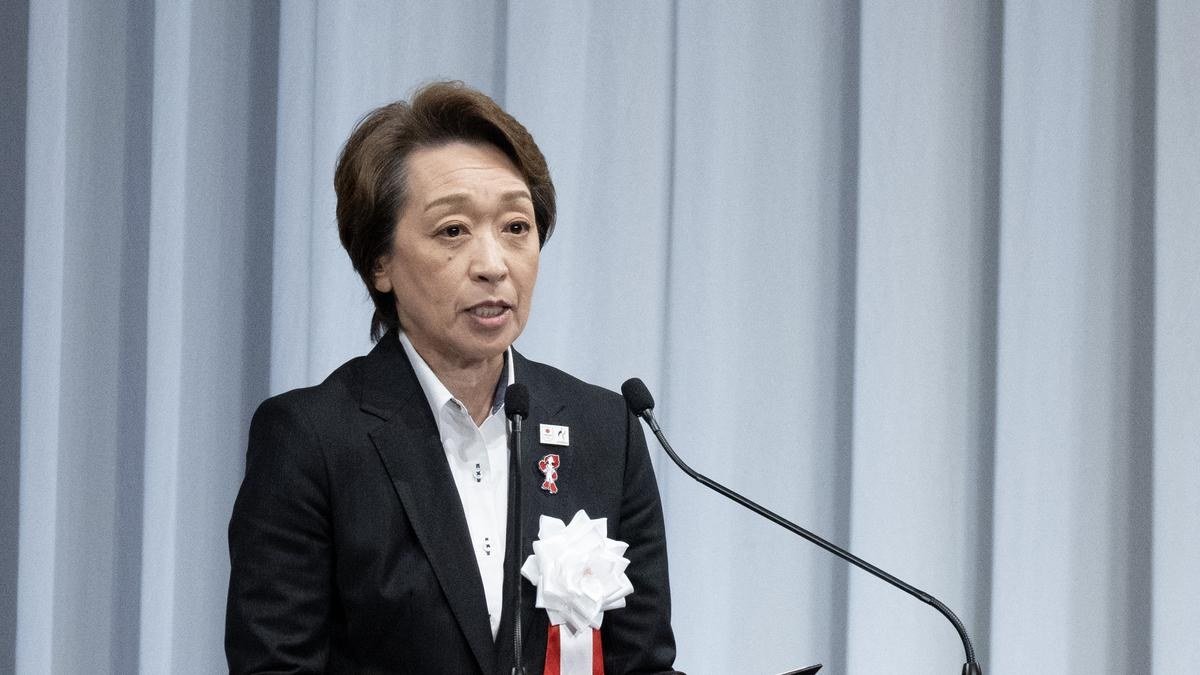
Japanese Olympic Committee (JOC) chief Seiko Hashimoto has acknowledged that the Aichi‑Nagoya Asian Games faced “many problems,” including logistical chaos, cramped lodgings, and transport hassles. However, she insisted that criticisms do not tell the whole story, stressing that there were also positive aspects to the Games.

Hashimoto admitted that the decision to scrap the traditional Athletes’ Village as a cost‑cutting measure created significant challenges. Athletes were instead housed in scattered accommodations, leading to overcrowding and difficulties in coordination. Transport delays further added to frustrations, with several teams reporting disruptions in reaching venues on time.
Despite these setbacks, Hashimoto highlighted achievements such as successful competition management, enthusiastic local support, and the resilience shown by athletes. “So many things could have been done better in retrospect, but the Games also showcased the spirit of sport and unity,” she said.
The Games, which officially began on September 19 and conclude on October 4, have drawn mixed reviews from participants and observers. While logistical issues dominated headlines, organisers point to the broader legacy of hosting Asia’s premier sporting event in Japan, including infrastructure upgrades and increased regional cooperation.
Hashimoto’s remarks reflect a balancing act — admitting shortcomings while defending the overall value of the Games.