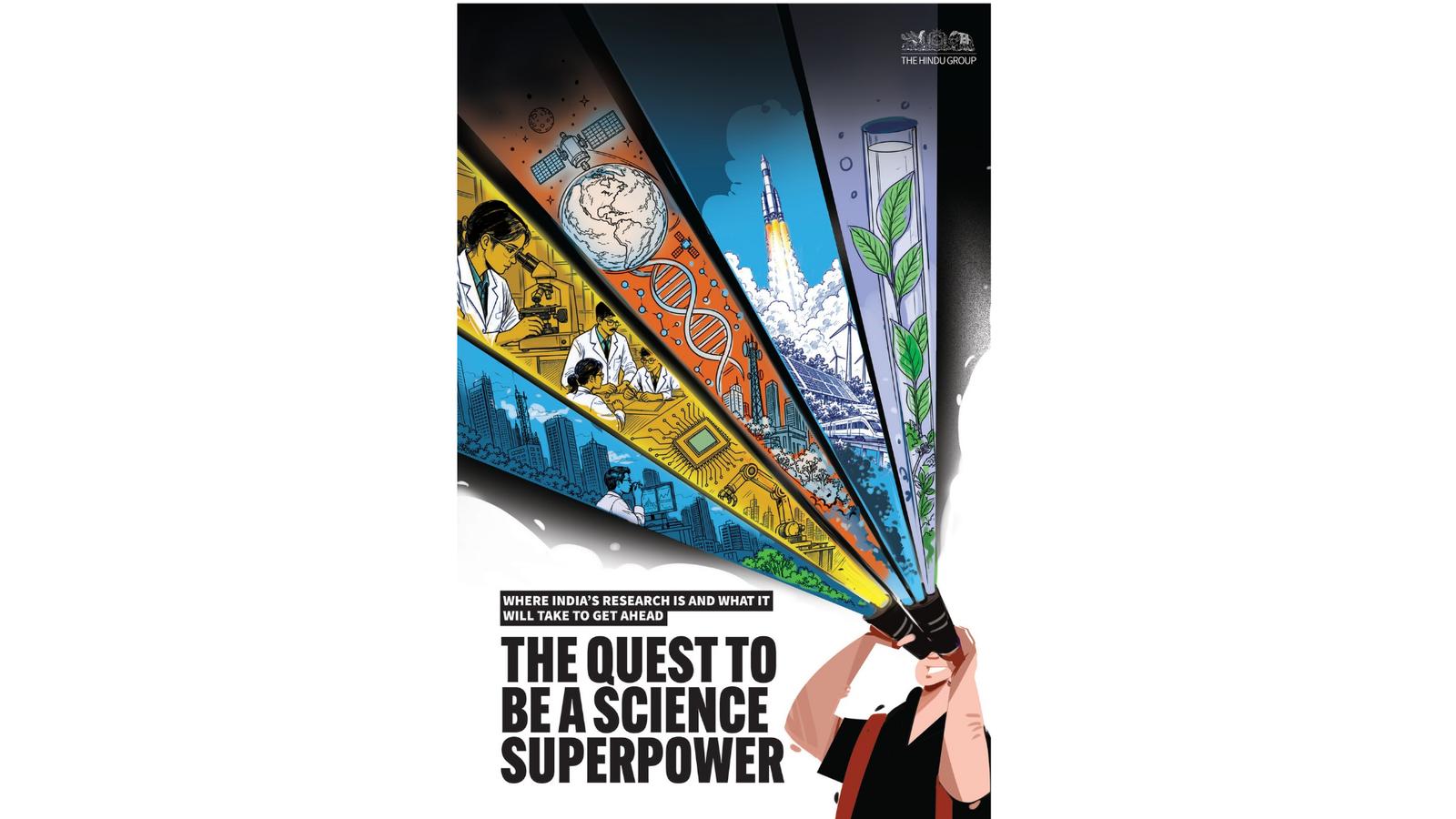
India’s ambition to become a global science and technology superpower is being supported by rising research and development activity, growing patent filings and a large pool of STEM talent. However, converting these strengths into sustained global influence remains a major challenge.
A new analysis of India’s scientific ecosystem examines whether the country can move beyond its growing role in manufacturing and assembly to become a source of foundational innovation. It compares India’s progress with established scientific and industrial powers such as the United States and China, along with successful East Asian economies.
One of the central challenges is the gap between research conducted in laboratories and its translation into commercially viable technologies. Stronger connections between universities, research institutions and industry could play an important role in closing this gap.
The analysis also highlights administrative hurdles that can slow research and innovation. Retaining highly skilled researchers is another concern, as the movement of scientific talent overseas can weaken domestic research capacity.
India’s scientific development also faces broader questions around the quality of public discourse on science. The spread of institutionalised pseudoscience is identified as an additional challenge for building a research environment based on evidence and scientific methods.
The path towards the Viksit Bharat 2047 goal therefore involves more than increasing research spending or producing more patents. Developing a connected innovation ecosystem, supporting commercialisation and retaining scientific talent will be important for India to translate its research capabilities into long-term technological and industrial strength.