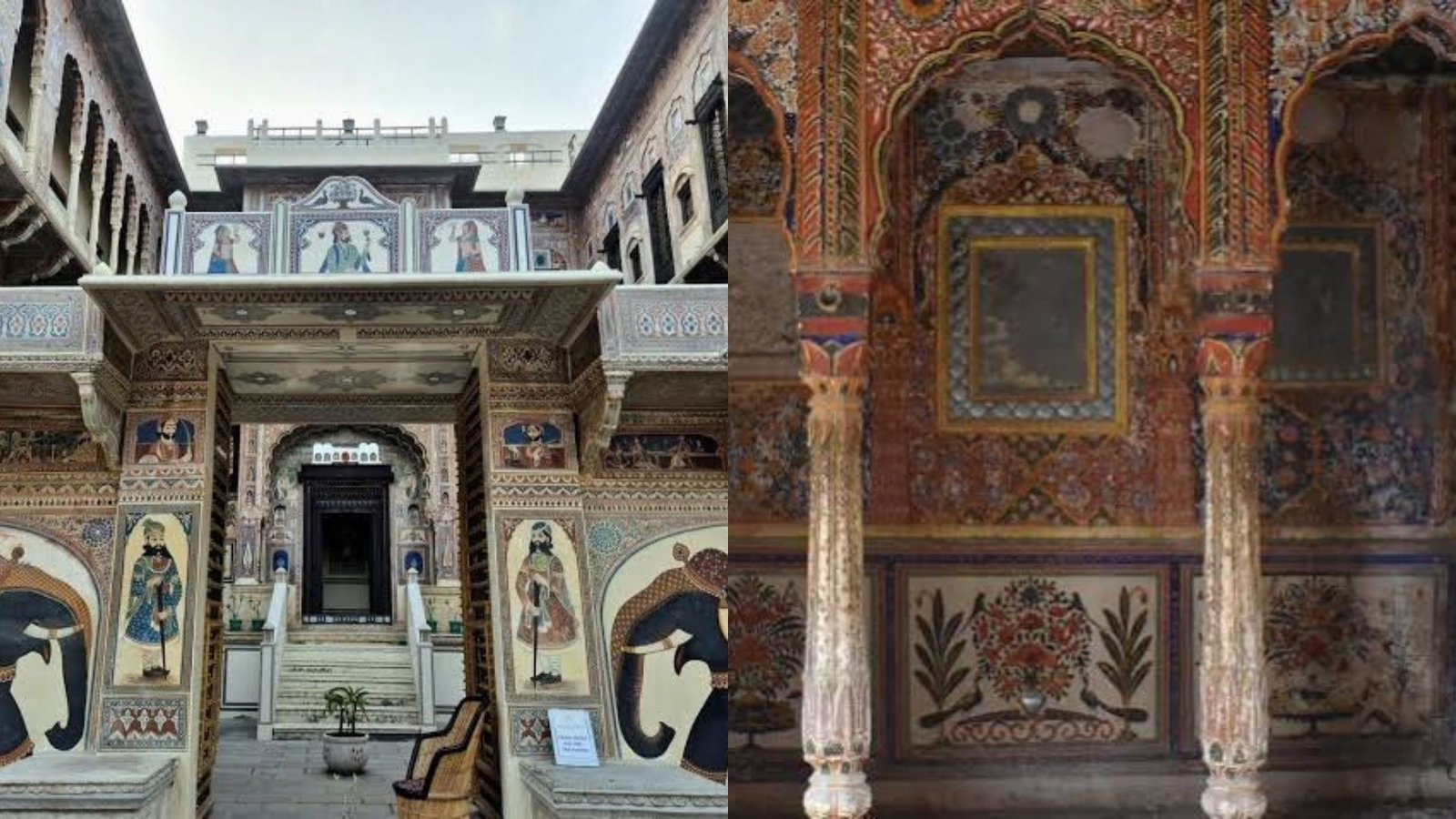
A Delhi exhibition is turning the spotlight on Shekhawati, Rajasthan’s historic region known for its richly painted havelis and distinctive merchant architecture.

For generations, grand havelis across Shekhawati reflected the wealth and social standing of Marwari merchant families. Many merchants later moved to major commercial centres such as Kolkata and Mumbai, leaving behind elaborate homes whose frescoes gradually faced neglect.
The region is now receiving renewed attention. In June 2026, India submitted The Painted Haveli Towns of Shekhawati to UNESCO’s Tentative List for World Heritage recognition. The serial nomination covers historic ensembles across 14 towns in the Jhunjhunu, Churu and Sikar districts.
The Delhi exhibition, titled Raj Se Swaraj Tak, explores Shekhawati through art, architecture, beliefs, lifestyles and historical change. It brings together manuscripts, letters, maps, newspapers, textiles, currency, games and other archival material alongside visual references to the region’s celebrated frescoes.
Shekhawati’s painted walls are significant not only for their artistic detail but also for the stories they preserve. The frescoes depict mythology, everyday life, historical events and changing influences, including representations of technology and the colonial era.
The exhibition offers Delhi audiences an introduction to a cultural landscape where architecture, commerce, art and everyday life developed together, while renewed heritage interest is creating fresh possibilities for Shekhawati’s historic towns.