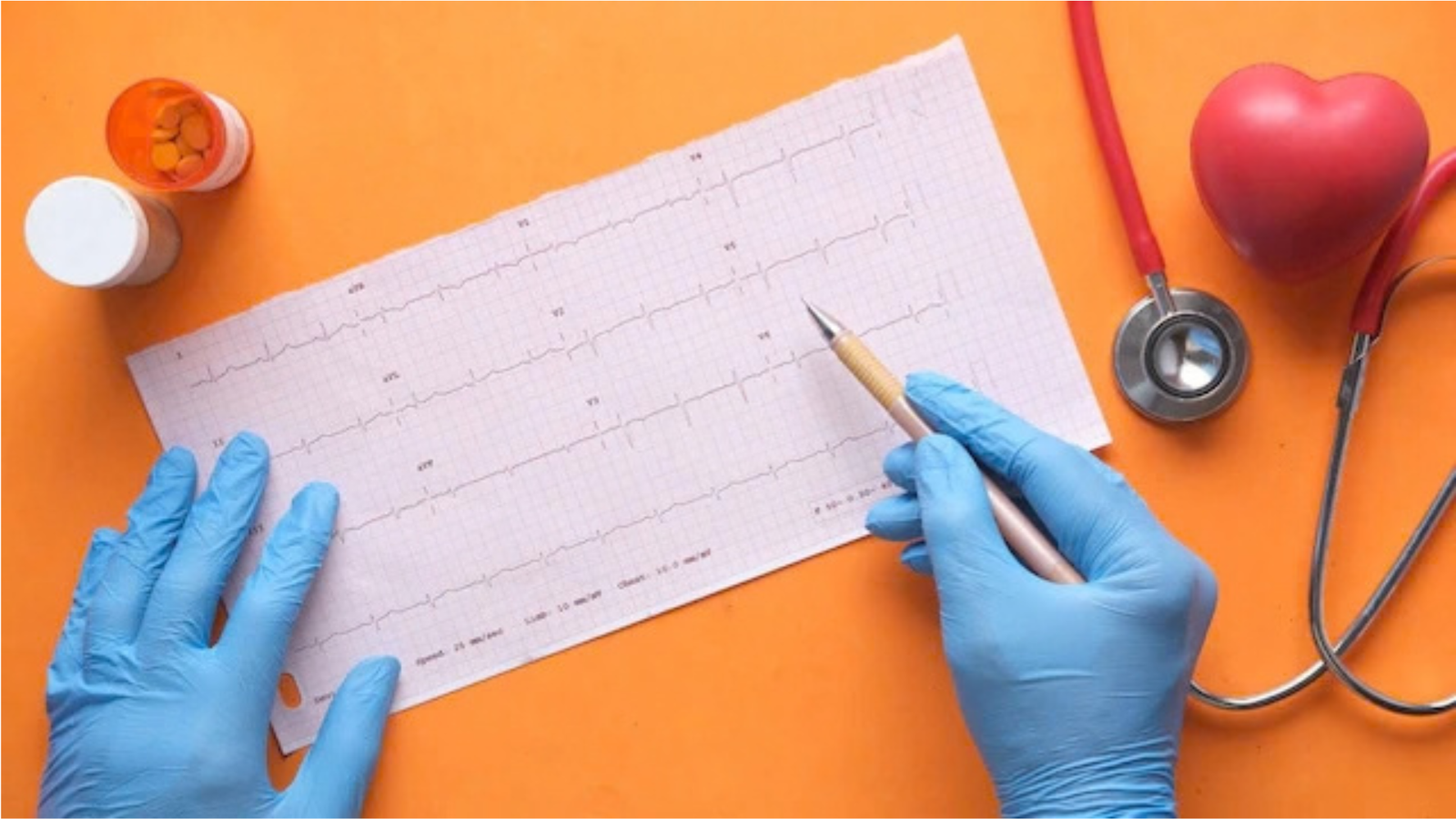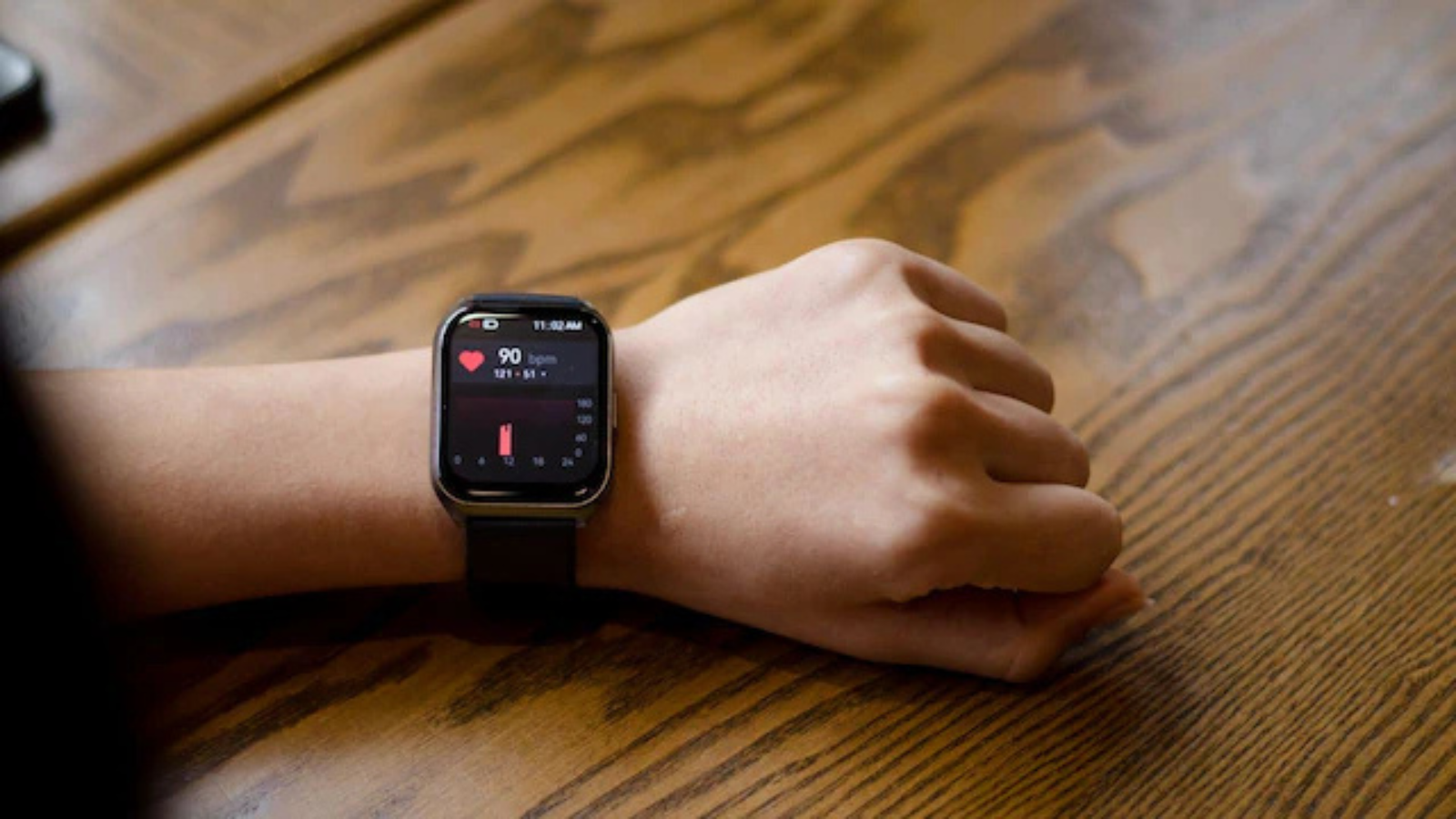
Smartwatches have evolved beyond tracking steps and sleep. Many modern devices can continuously monitor heart rate, while some also offer single-lead electrocardiogram (ECG) recordings. These features can help users identify unusual heart rhythm patterns that may otherwise go unnoticed.
Smartwatches can detect patterns that may indicate an irregular heart rhythm, particularly atrial fibrillation, or AF. However, an alert from a wearable does not by itself confirm a medical condition. Instead, it can serve as an early indication that further medical evaluation may be needed.
Most smartwatches use photoplethysmography (PPG), a light-based technology that measures changes in blood flow at the wrist. The sensor tracks the timing of heartbeats and looks for patterns that appear irregular. On compatible devices, users can also record a short ECG by placing a finger on the watch, allowing the device to capture electrical activity from the heart.
This can be particularly useful for people whose symptoms occur intermittently. AF can cause symptoms such as palpitations, breathlessness or dizziness, although some people may not experience noticeable symptoms.
However, smartwatch readings can be affected by movement, a loose strap, changes in blood flow and occasional extra heartbeats. An unusual reading should therefore be considered a reason to seek appropriate medical evaluation rather than proof of a heart rhythm disorder.
Wearable technology can make heart rhythm monitoring more accessible, but professional assessment remains important when an abnormal reading or concerning symptoms occur.