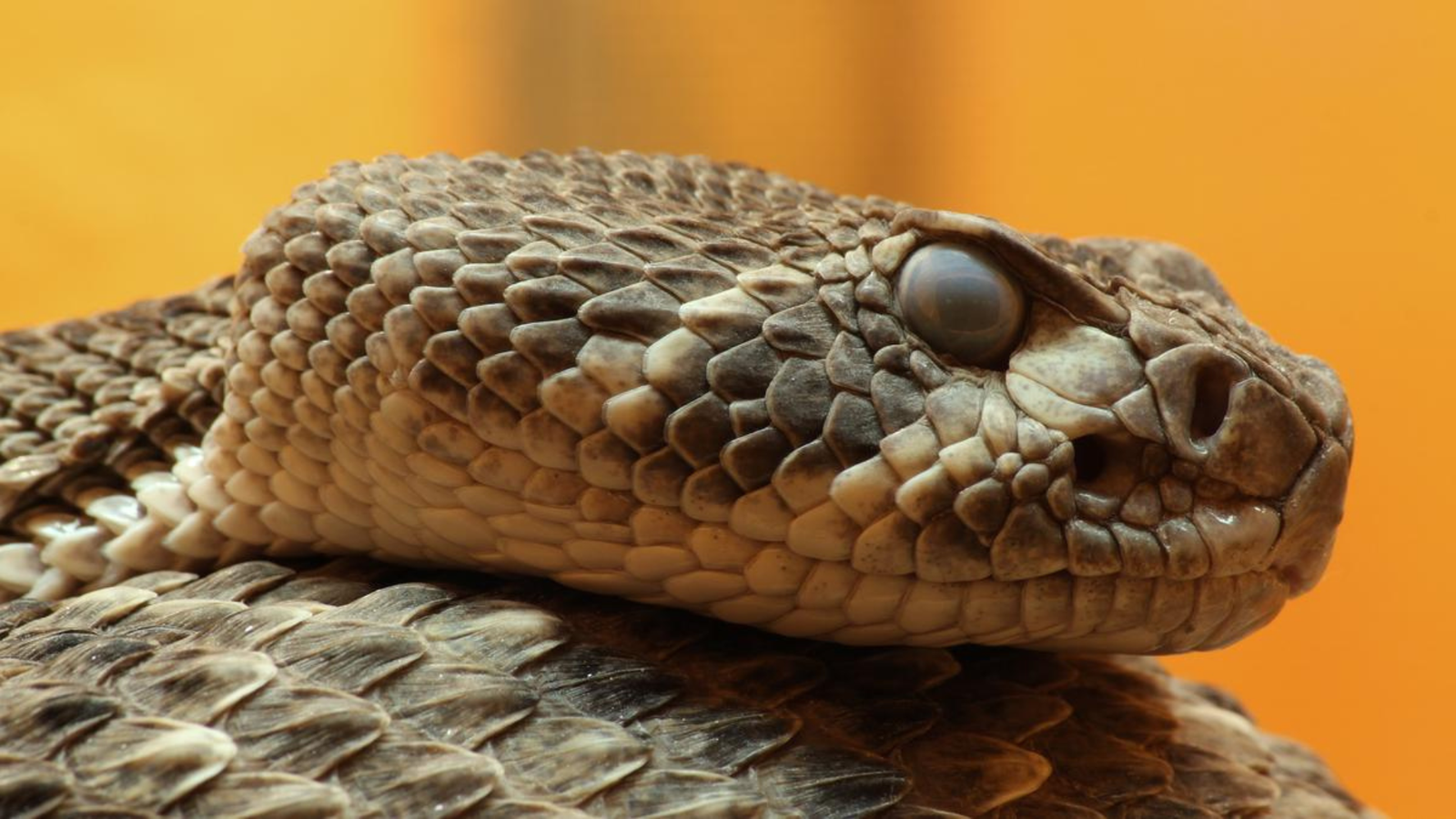
Rattlesnake blood could offer clues for developing new treatments for deadly snake venom, according to a recent study examining the natural venom resistance of western diamondback rattlesnakes.
Rattlesnakes are known to be resistant to the effects of their own venom. Scientists have long studied this ability to understand how certain snakes protect themselves from toxins that can be lethal to other animals.
Researchers found that specific FETUA proteins present in the blood of western diamondback rattlesnakes can act against venom toxins. In experiments involving mice, particular combinations of these proteins were able to completely neutralise the lethal effects of rattlesnake venom.
The researchers reported that the protein combinations showed roughly 10 times the potency of a commercial antivenom in the experimental model.
Snake venom resistance can occur through different biological mechanisms. In some snakes, the molecules targeted by venom have evolved in ways that prevent the toxins from causing their usual effects. In other species, proteins circulating in the blood can bind to venom components and effectively act as protective “toxin sponges.”
The findings could help scientists better understand these natural defence mechanisms and potentially guide the development of improved antivenom treatments.
However, the research was conducted using experimental models, and the results do not mean that rattlesnake blood proteins are currently available as a treatment for human snakebite. Further research would be required to determine their safety, effectiveness and potential use in people.
The study nevertheless provides another example of how studying animals’ natural biological adaptations can help researchers identify possible approaches to medical treatment.
Health
Rattlesnake Blood Protein Shows Promise Against Venom
Scientists found rattlesnake blood proteins can neutralise venom in mice, showing potential for developing more potent treatments for snakebite.