The Gates Foundation has pledged $1 billion over the next two years to expand access to artificial intelligence and support projects aimed at reducing social and economic inequality.
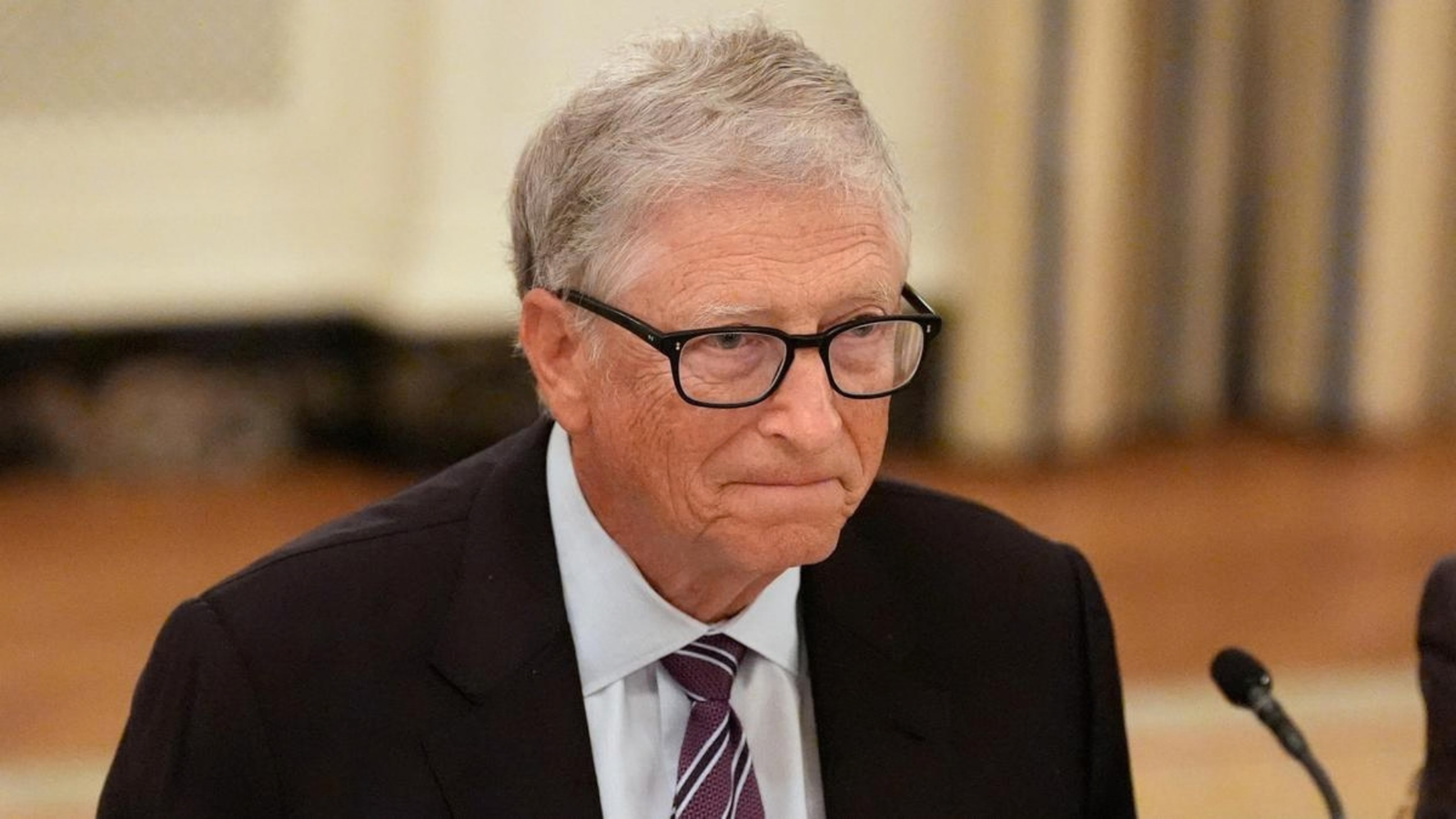
Microsoft co-founder Bill Gates issued the warning in the foundation’s annual Goalkeepers report, which tracks progress towards the United Nations’ development goals for improving quality of life by 2030.
Gates said technology companies and governments need to ensure that artificial intelligence benefits communities broadly, rather than increasing existing disparities.
The foundation said its new commitment will support AI-focused initiatives across several areas. These include developing AI models that better understand local languages, improving health outcomes and strengthening educational tools.
The funding will also support efforts to help small farmers access information and tools that can improve agricultural practices.
The foundation’s announcement comes as AI systems become increasingly integrated into education, healthcare, agriculture and other areas of daily life. However, unequal access to technology, computing resources and digital infrastructure could leave some communities behind.
In his remarks, Gates framed AI as a technology that could either help reduce inequality or become a major source of injustice, depending on how it is developed and made available.
The $1 billion commitment is intended to support wider access and applications in areas connected to global development.
The foundation’s approach reflects growing debate over how artificial intelligence can be deployed in developing regions, particularly where access to advanced technology remains uneven. Its planned initiatives will focus on adapting AI to local needs while supporting applications in health, education, agriculture and language.
Technology
Gates Foundation Pledges $1 Billion to Expand AI Access
The Gates Foundation has pledged $1 billion over two years to expand AI access and use the technology to address inequality in health, education and farming.